
Customer satisfaction sits at the center of B2B business growth. Happy customers stay longer, buy more, and advocate for your business within their organizations. That’s why learning how to improve customer satisfaction is a priority.
In this guide, we’ll outline the steps you need to take to improve customer satisfaction for your business. You’ll see what works across onboarding, support, communication, and long-term relationships.
Keep reading to know how to retain customers and build a trusted business year after year.
Customer satisfaction is when a business meets or exceeds customer expectations across products, services, and ongoing interactions.
In B2B, it reflects how buyers feel about reliability, communication, support quality, and the value they receive over time. Here are the most common reasons why you need to learn how to improve customer satisfaction:
Also Read:
There’s no fixed framework for how to improve customer satisfaction. This varies with each business and industry, but here are the general steps you can follow for better results.
Mapping the customer journey means documenting every customer interaction, from first contact and onboarding to daily use, support, and renewal.
Mapping shows the customer’s interactions across teams, touchpoints, and where their expectations rise or fall. It involves the following steps:
When executed correctly, journey mapping improves customer satisfaction by revealing gaps in the customer experience.
A customer-centric culture creates a business environment that prioritizes customer needs. This culture shapes how teams communicate, solve problems, and measure success.
Here’s an illustration showing the key tenets of a customer-centric culture.
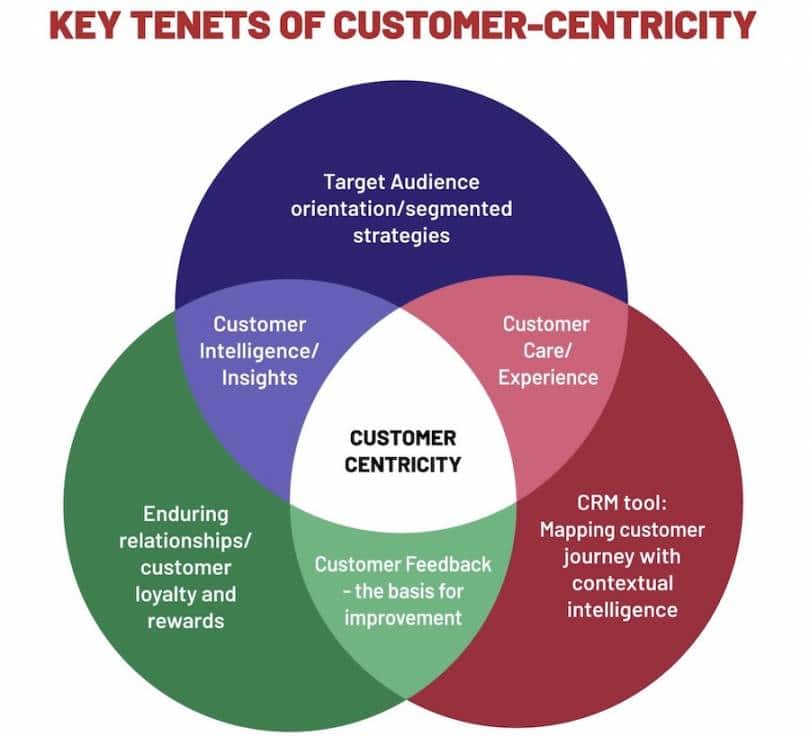
Image via Wadhwani Foundation
Here’s what B2B leaders should do when learning how to improve customer satisfaction:
Implementing customer-centricity involves aligning internal behavior with customer expectations. With time, this turns customer satisfaction into a repeatable habit instead of a one-time effort.
You need to be reachable through multiple channels. Your customers should be able to choose which channels to contact you on, whether it’s email, phone, chat, portals, or virtual meetings.
Omnichannel customer service also involves the following:
When you improve customer service, issues get resolved faster. This results in customers feeling valued because they don’t have to track conversations from their end.
Also Read:
Another step in learning how to improve customer satisfaction is by empowering your support team. Equip your B2B support staff with the skills, authority, and context to handle customer issues and improve resolution rates.
Other things you can do to empower your team include:
This setup improves customer satisfaction because people trust knowledgeable teams.
Cross-departmental collaboration is crucial for consistency. It breaks down internal silos so every team delivers the same unified customer experience.
It involves syncing messaging, processes, and goals across departments like sales, support, and customer success. This creates a seamless experience that makes clients feel secure and reduces confusion.
Examples of key actions you can implement here are:
When your customer hears the same thing from everyone, their trust grows. They’re more likely to stay because they know exactly what to expect from your partnership.
Honest communication builds trust with customers. This means keeping promises and sharing the full context of decisions that affect their account.
Your teams also need to show authenticity when explaining their own limits or admitting mistakes quickly. This enhances customer experience and trust and sets a clear baseline for future communications.
Authentic communication also involves the following:
Keeping clients in the loop is an important aspect of learning how to improve customer satisfaction because it reduces unwanted surprises.
Also Read:
Every customer needs full attention when they bring up an issue or make inquiries. There should be follow-up questions with a clear explanation of how you’re going to act on their feedback.
This habit helps improve customer satisfaction because it highlights problems while accounts are still salvageable. Here’s what a typical customer feedback loop looks like.
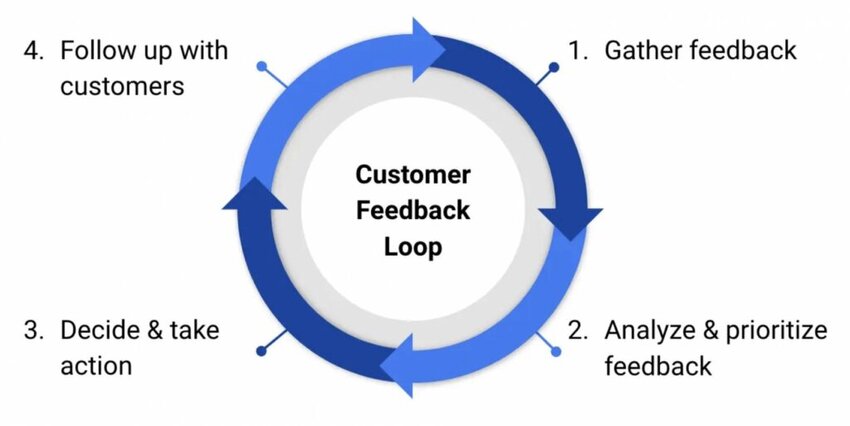
Image via Convas
Active listening involves structured and intentional actions, such as:
Combining customer feedback tools with active listening improves customer satisfaction. This is because people are happy when they see that their input causes significant improvements.
Segmenting involves categorizing customers by shared traits. You then follow this up with personalized communication that matches each individual’s needs.
Customers feel heard when interactions align with their issues instead of being just generic scripts. Additionally, teams resolve issues faster because priorities are clear.
Some segmentation tips you can implement to create positive customer experiences include the following:
When segmentation and personalization work together, customers receive more relevant support while teams operate with greater clarity and efficiency.
Customer satisfaction surveys are reliable sources of feedback. They indicate improvements more accurately because they reflect what customers desire.
According to a 2025 PwC report, surveys and feedback forms are among the most used tools for tracking customer preferences. However, it’s next only to CRM systems and social media listening.
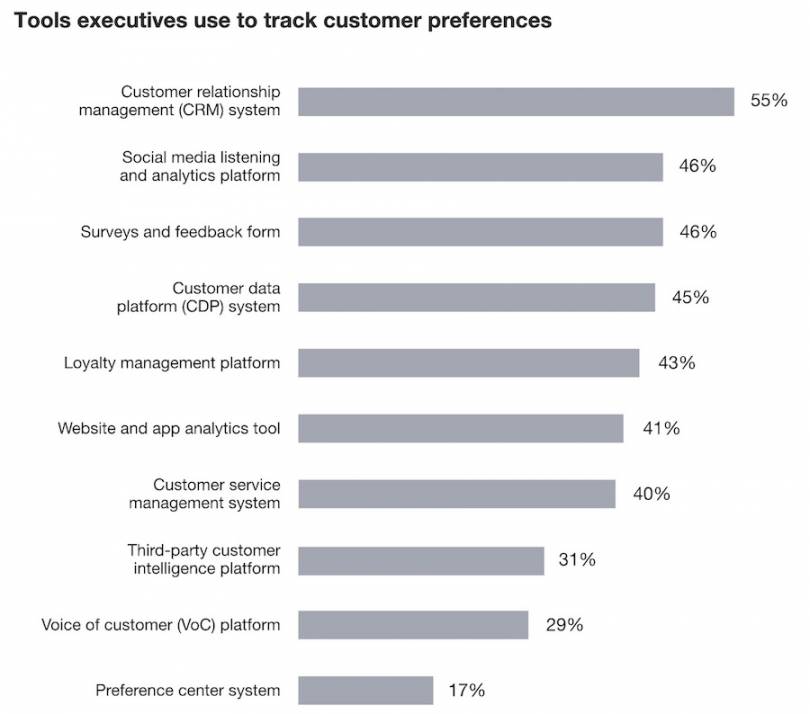
Image via PwC
For example, customer feedback can reveal gaps in service delivery, onboarding, or product fit before churn signals appear.
B2B teams can use surveys to spot issues early and improve customer satisfaction.
You can also try the following steps:
The bottom line is, buyers and prospects feel respected when feedback leads to clearer communication, better support timing, and product fixes.
Also Read:
This involves giving customers clear benefits for engaging with your business. These programs focus on rewarding commitment, usage, and advocacy rather than one-time purchases.
When implemented correctly, rewards and customer loyalty programs provide a compelling reason to stay beyond contract terms. Customer engagement strategies like these are consistent, so they effectively improve customer satisfaction.
Here’s how to implement loyalty programs properly:
However, remember that reward and loyalty programs need to feel fair and deserved. They shouldn’t create issues that leave a customer feeling underappreciated.
Sometimes, after scaling up, you may find support teams struggling to handle customer inquiries efficiently. Leveraging self-service tools and knowledge bases can address that manpower deficit and allow your teams to focus on escalated issues.
Furthermore, self-service tools reduce delays during critical moments and build confidence both for customers and support teams. Here’s an example of a comprehensive help center:
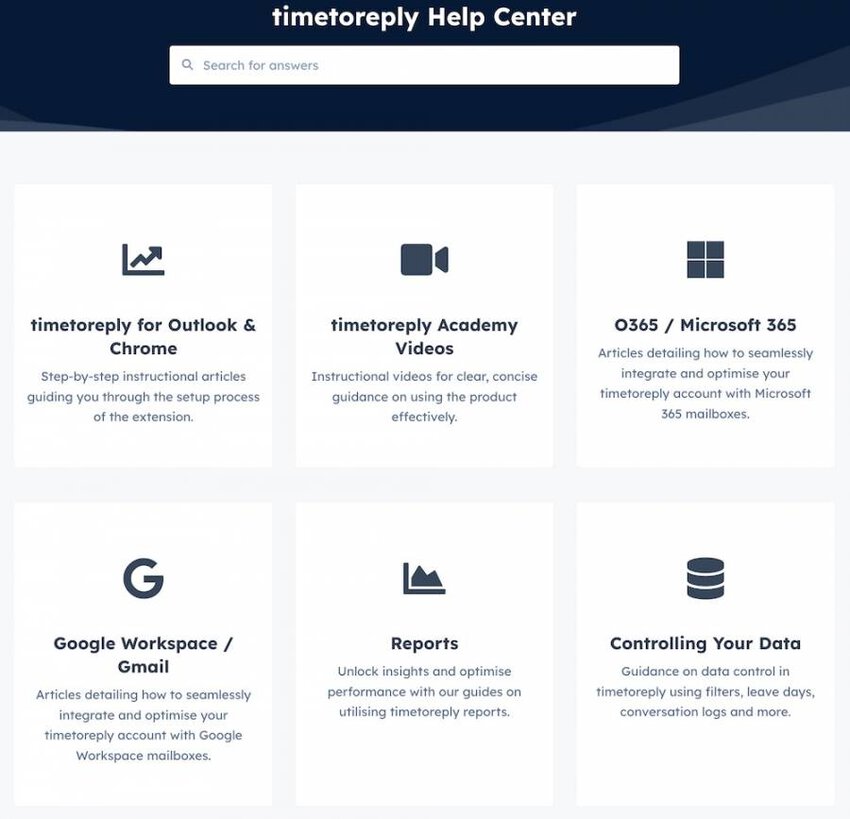
Image via timetoreply
You can improve customer satisfaction by doing the following:
This step involves handling routine customer requests through systems that respond instantly and consistently.
Customer support tools like chatbots, ticket routing, and automated replies keep support available around the clock. This setup directly influences how to improve customer satisfaction by removing delays that cause frustrations.
Here’s an example of an automated chatbot:

Image via timetoreply
You can use the following approaches:
Automated support also frees your support team so they can deal with more pressing issues. They only step in for complex issues that chatbots can’t resolve.
Customer interactions shouldn’t end after a support ticket is closed. Learning how to improve customer satisfaction also involves following up to check if an issue persists.
This shows accountability and dedication to ensuring small things don’t grow into bigger problems.
Some examples of simple follow-up actions include the following:
Customers feel seen when you reach out to them after solving an issue. This initiative builds a better customer relationship as it reassures them that their time matters. It also opens an opportunity to uncover concerns that customers might not raise on their own.
Finally, measuring satisfaction performance is part of learning how to improve customer satisfaction for B2B accounts. Track how customers feel after key interactions and use that data to guide future decisions.
Consistently measuring customer experience also keeps teams aligned on priorities. Involved teams use these customer success metrics to spot gaps early and confirm what works.
Examples of metrics you should monitor include Customer Satisfaction Score (CSAT), Net Promoter Score (NPS), or First Response Time (FRT).
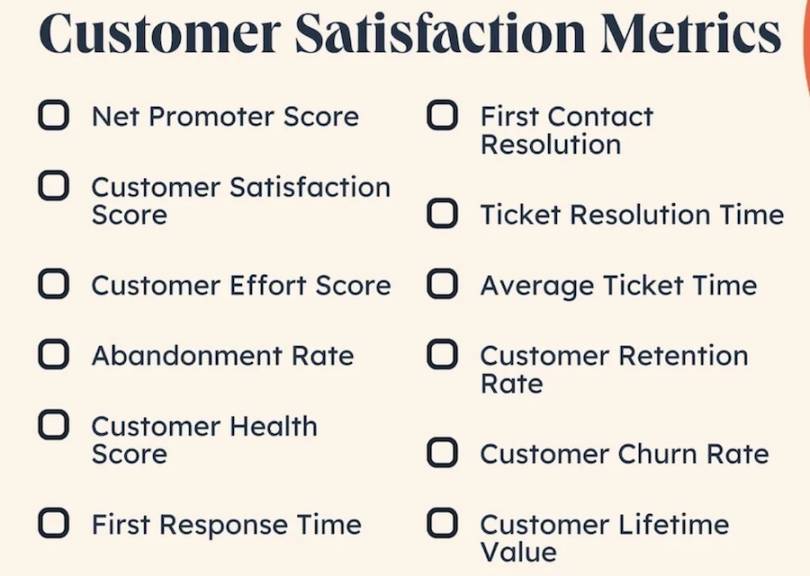
Image via HubSpot
Here are some steps for tracking customer satisfaction:
Also Read:
1. What are the 3 C’s of customer satisfaction?
The three C’s of customer satisfaction are:
When teams apply the three C’s daily, they create predictable experiences that improve customer satisfaction by limiting surprises and reducing trust gaps.
2. What is the 10 to 10 rule in customer service?
The 10-10 rule encourages service teams to focus on customer sentiment ten minutes before and ten minutes after every interaction.
Before contact, teams prepare context, check history, and uncover next steps. After contact, they confirm resolution, document outcomes, and plan follow-ups.
3. What are the 4 P’s that improve customer service?
The following are the four P’s that improve customer service:
All four need to align for service to scale with stability.
4. Can you give an example of improving customer satisfaction?
There are many ways to go about how to improve customer satisfaction. For example, you can expand communication channels once your business scales up.
Additionally, you can empower your support team with better training, enabling them to address customer issues promptly.
5. How can I improve my customer satisfaction?
To improve customer satisfaction, you can take the following steps:
6. What are the 7 components of good customer service?
Excellent customer service relies on the following core aspects:
7. How do you handle angry customers?
Handling angry and dissatisfied customers starts with listening without interruption, then acknowledging the issue and restating it clearly.
Then, take responsibility for the next steps and give realistic resolution timelines with a calm tone. Finally, follow up after resolution to confirm satisfaction.
All these steps are part of learning how to improve customer satisfaction, turning negative moments into recovery opportunities.
8. What is the 80/20 rule for customers?
The 80/20 rule suggests that a small portion of customers drives most revenue or support demand. In B2B, this often means key accounts generate most renewals and growth.
Also Read:
Learning how to improve customer satisfaction is crucial for business success, but it requires consistency and effort. It takes proactive measures like mapping the customer journey, creating a customer-centric culture, and providing omnichannel support.
Anything that contributes to exceptional customer experiences goes a long way in inspiring clients to keep coming back. What we have discussed here is just the tip of the iceberg, as there are plenty more tactics you can employ.
Visit timetoreply to gain more valuable insights on improving customer interactions.
Get live inbox alerts and reply quickly to customer emails with timetoreply

Head of Customer Success @ timetoreply
Barry Blassoples is the Head of Customer Success at timetoreply, where he helps customer-facing teams boost revenue and protect brand reputation by providing actionable insights to improve their business email response times. He has over 15 years of leadership experience across customer success, sales, and marketing roles in high-growth tech companies.



Trusted by high-performing inbound sales teams and customer-facing teams globally.
Close more deals and delight more customers with the faster, smarter, deeper email analytics and performance optimization software that works straight from your team’s inbox.