
A customer engagement strategy helps customer-facing teams build a relationship with customers. It’s more than just closing a ticket, which is where most plans quietly fall short.
A strong customer engagement strategy pairs each tactic with the metric that proves it works. The core tactics are simple: personalize interactions, respond fast, meet customers on their preferred channels, and act on feedback.
The upcoming CX Trends 2026 report from Zendesk shows how much this matters. It found that 86% of consumers consider fast replies and accurate solutions when making buying decisions. For B2B teams, customer engagement often comes down to the small moments — how fast and well you reply.
This guide covers what customer engagement is, its types, and its benefits. You’ll also learn how to build a customer engagement strategy, along with nine strategies to apply this quarter. Each strategy comes with the metric that proves it, mistakes to avoid, and tools that make it measurable.
See how customer-facing teams track reply times, SLAs, and customer signals from the inbox they already use. Book a demo with timetoreply.
A customer engagement strategy is how your brand interacts with customers across every channel and stage of the lifecycle.
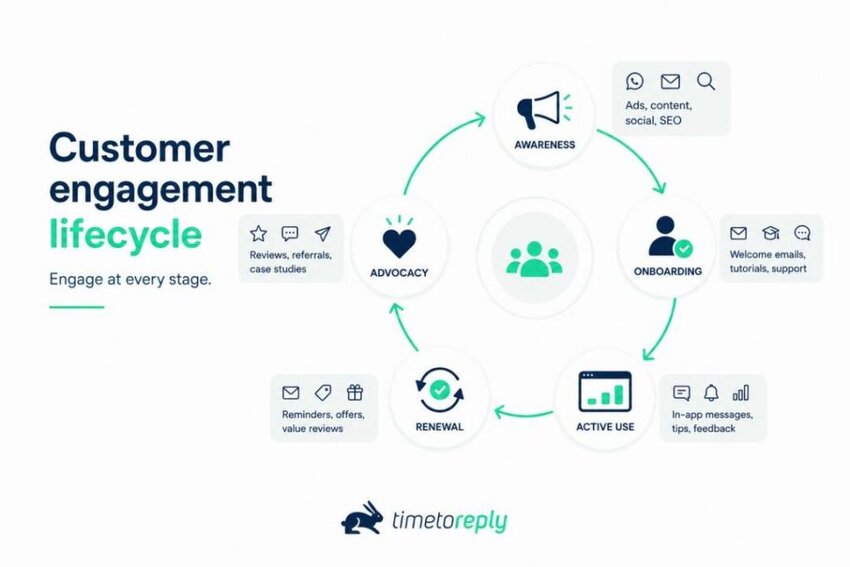
Image via timetoreply
It sets the touchpoints, tone, and goals that turn one-off transactions into a lasting relationship. In short, it keeps customers active, connected, and coming back.
It helps to separate three terms that often get mixed up. Customer engagement refers to the pattern of interactions a customer has with you. Customer experience is how those interactions feel across the whole journey. Customer satisfaction measures a single interaction after it happens.
Multiple teams work together to improve your customer engagement strategy. Marketing starts the conversation. Sales builds the relationship. Customer success helps keep customers happy over time.
When everyone works toward the same goals and tracks the same results, you can easily see what’s working and what’s not.
A customer engagement strategy is the plan for every customer interaction across channels and lifecycle stages. The goal is to grow customer loyalty, retention, and revenue.
Also Read:
A good customer engagement strategy directly affects retention and revenue. When customers feel connected, they stay longer, spend more, and tell other people.
The revenue case is well documented. The 2025 Customer Engagement Trends by Twilio show that 49% of consumers become loyal to brands with responsive customer service.
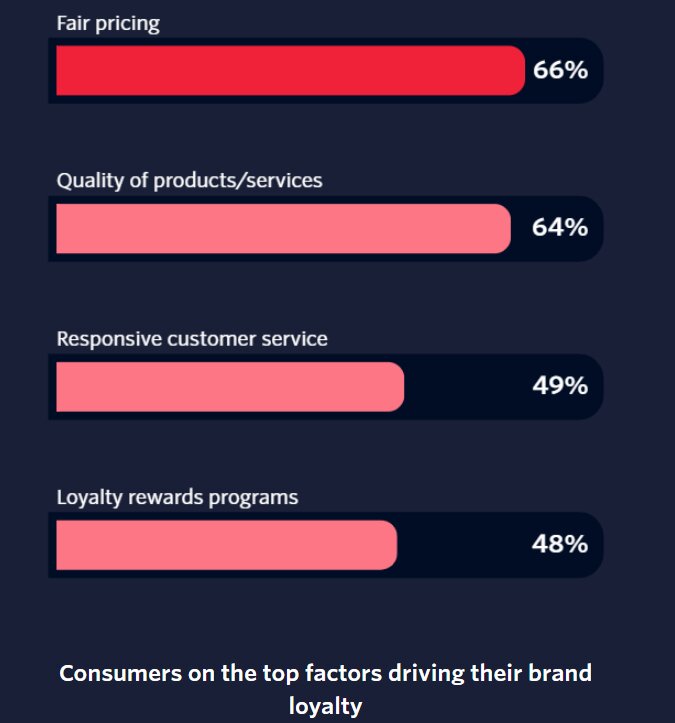
Image via Twilio
The flip side is just as real. A 2024 article by Qualtrics estimates that poor experiences put 3.8 trillion dollars in global sales at risk. Here’s what a strong customer engagement strategy can do for a B2B business:
These benefits compound. A customer who gets fast, relevant answers this quarter becomes someone who renews next year and refers a peer the year after.
A solid customer engagement strategy improves retention, expansion, and advocacy. This is why engaged customers are worth a measurable premium over passive ones.
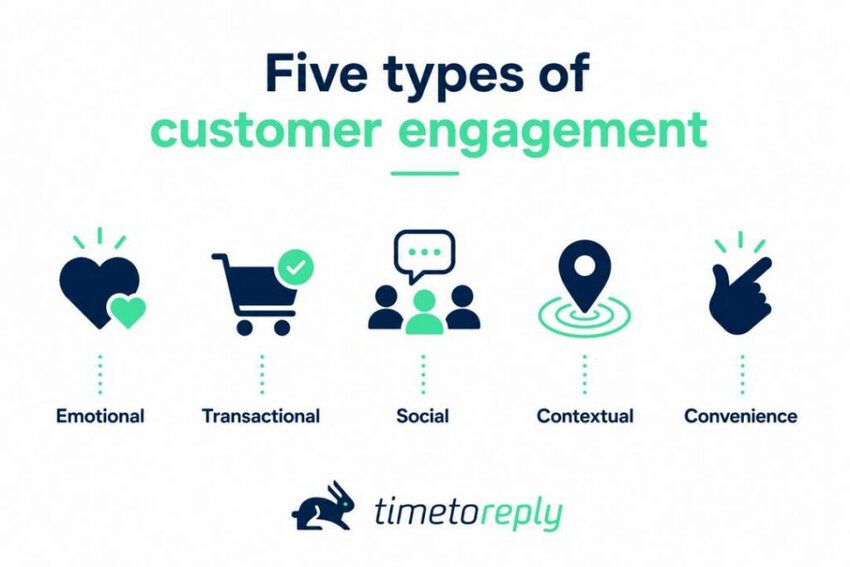
Image via timetoreply
Customers can connect with you in different ways. A good customer engagement strategy speaks to more than one. Understanding the types helps you design touchpoints that match how people actually feel and behave.
The table below sums up the five common types and how each appears for a B2B customer-facing team.
| Type | What it is | How it shows up in B2B |
| Emotional | A connection based on trust and shared values | Customers staying after facing an issue because your team handled it well |
| Transactional | Engagement tied to buying and using the product | Renewals, expansions, and repeat orders |
| Social | Interaction through community and peers | Reviews, referrals, and LinkedIn mentions |
| Contextual | Relevance based on a customer’s situation and data | A timely check-in triggered by a support issue or usage change |
| Convenience | Engagement driven by how easy you are to work with | Fast replies, simple onboarding, and low-effort support |
Emotional engagement is the trust and loyalty a customer feels toward your brand. It grows from being treated well, especially when something goes wrong. A quick, honest response to a problem often builds more loyalty than a flawless sale.
Transactional engagement is about the things customers do with your business. They buy, renew, or use your product. These actions show if customers are getting value from what you offer. You can also track them easily through numbers like repeat purchases and renewals.
Social engagement happens when customers talk about your brand on their own. This could be in the form of a review, a recommendation, or a comment in a group. For B2B companies, a trusted recommendation from a happy customer can bring in more value than a paid promotion.
Contextual engagement uses what you know about a customer to stay relevant. A check-in after a support ticket, or a tip tied to how they use the product, shows that you’re paying attention. This is where good customer data pays off.
Convenience engagement is about making things easier for your customers. They want quick answers, simple steps, and clear updates without having to chase your team.
Making these parts of the customer experience easier can have a big impact. It’s also one of the areas where customer-facing teams can usually make improvements quickly.
Engagement comes in five forms: emotional, transactional, social, contextual, and convenience. The strongest customer engagement strategy designs for several at once rather than betting on just one.

Image via timetoreply
A customer engagement program works best when it’s built on purpose. These five steps give you a repeatable model you can adapt as your customer base grows.
Start with what’s negatively impacting your customer experience the most. For example, you could be getting fewer renewals, more customers leaving, or slow replies from your team. Focus on one issue first. Once you see progress, you can move on to the next thing.
Set a simple goal and decide how you’ll measure progress. This helps you see whether your customer engagement strategy is actually working.
You can’t create a reliable customer engagement strategy for people you don’t understand. Being customer-centric means learning what your customers need, where they get stuck, and how they prefer to communicate.
Talk to your customers and look at the customer service data you already have. Surveys, interviews, and support conversations can show you what customers need and where they struggle.
Twilio’s 2025 State of Customer Engagement Report found that only 45% of consumers feel understood by the brands they interact with. Knowing your customers better can help you stand out.
Look at the steps customers take from first contact to renewal. Pay attention to the points where they need the most help or where they may lose interest. A customer journey map helps you see where to put your time and effort instead of trying to improve everything at once.
An effective customer engagement strategy matches how your customers like to communicate. B2B buyers now use around 10 different channels during their buying journey, according to McKinsey’s 2026 Global B2B Pulse Survey.
You don’t have to be everywhere. Begin with the channels your customers use the most. For many teams, email is still the easiest place to improve. Make sure your replies are quick and clear before moving on to other channels.
Your customer engagement strategy shouldn’t simply be about sending messages. Give customers a chance to reply, ask questions, and share their thoughts. Then, close the loop. Show them you’re listening by acting on their feedback and letting them know.
Build your customer engagement strategy step by step. Start with goals, customer insight, journey map, channels, and, lastly, two-way interaction. Each step informs the next instead of running on its own.
Also Read:
These nine customer engagement strategies are the practical core of the guide. We’ll discuss why each one works, how to apply it, and which metric proves its value. Start with two or three and measure them before adding more.
Personalization means making each message more useful for the person receiving it. A new customer and a long-time one won’t need the same things. Use what you already know about your customers to make your messages feel more relevant.
When a message fits the moment, customers pay attention and respond. Twilio’s aforementioned 2025 report found that 75% of businesses saw increased customer spend from personalization.
How to apply it:
How to measure it: Repeat-purchase or conversion rate for personalized segments
Omnichannel communication gives customers a consistent experience wherever they reach you. This customer engagement strategy works because customers move between channels and expect you to keep up.
McKinsey’s previously mentioned B2B research describes a rule of thirds. At any stage, customers split fairly evenly across in-person, remote, and digital self-serve.
How to apply it:
How to measure it: Consistency of response time and quality across channels
For B2B customer-facing teams, engagement depends on how fast and how well you reply. Slow or missed responses quietly cost trust, sales, and renewals. This is the most skipped customer engagement strategy. However, it’s the one your customers feel most.
Proactive support belongs here as well. When issues arise, reach out to a customer before they do.
Fast replies aren’t a hunch. Record-retrieval firm Ontellus increased its responsiveness and answered 86% of emails within a business day. It also cut transactional email volume by around 20% even as it grew.
Telecoms group Telarus cut reply times from seven hours to two in some teams. Both used reply-time data to get there.
How to apply it:
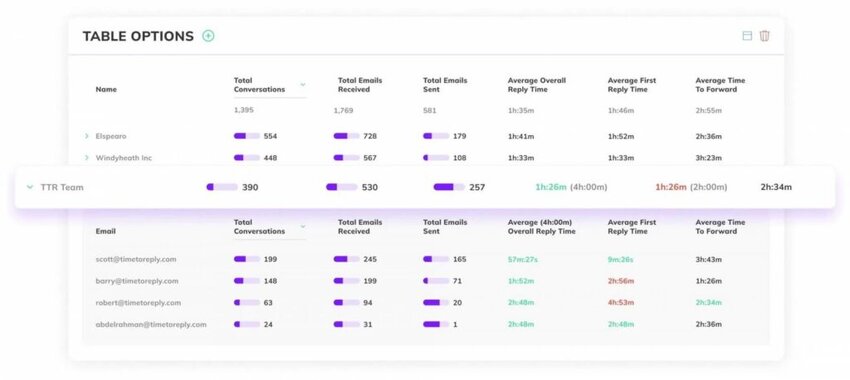
Image via timetoreply
How to measure it: First-response time, reply time, and SLA compliance
Also Read:
Useful content keeps customers engaged between purchases. With this customer engagement strategy, you get attention without asking for anything in return. Share guides, product tips, and industry insight that help customers do their job better.
How to apply it:
How to measure it: Content engagement and reply or click-through rate
Brand loyalty programs recognize and reward customers for staying with you. They work because people like being valued. Also, small incentives reinforce good habits. In B2B, this can be early access, tiered support, or partner benefits rather than points.
How to apply it:
How to measure it: Repeat-purchase rate and customer retention
Feedback turns guesswork into direction, especially with the right customer feedback tool. This customer engagement strategy helps you learn exactly where engagement breaks down. You must then act on it. Collecting feedback and ignoring it does more harm than not asking at all.

Image via timetoreply
How to apply it:
How to measure it: CSAT, NPS, and close-the-loop rate
Also Read:
Success stories prove your value with real results. This customer engagement strategy works because buyers trust peers more than promises. Real customer numbers beat your own sales claims.
How to apply it:
The proof is concrete:
How to measure it: Referral and advocacy rate
A community gives customers a place to connect with you and each other. This customer engagement strategy fosters peer relationships that deepen loyalty and reduce support load. User groups, forums, and events all count.
How to apply it:
How to measure it: Active participation and repeat engagement
Engagement breaks when handoffs break. Aligning sales and customer success keeps the relationship consistent from first contact through renewal. It works because customers see one unified team, not your internal silos.
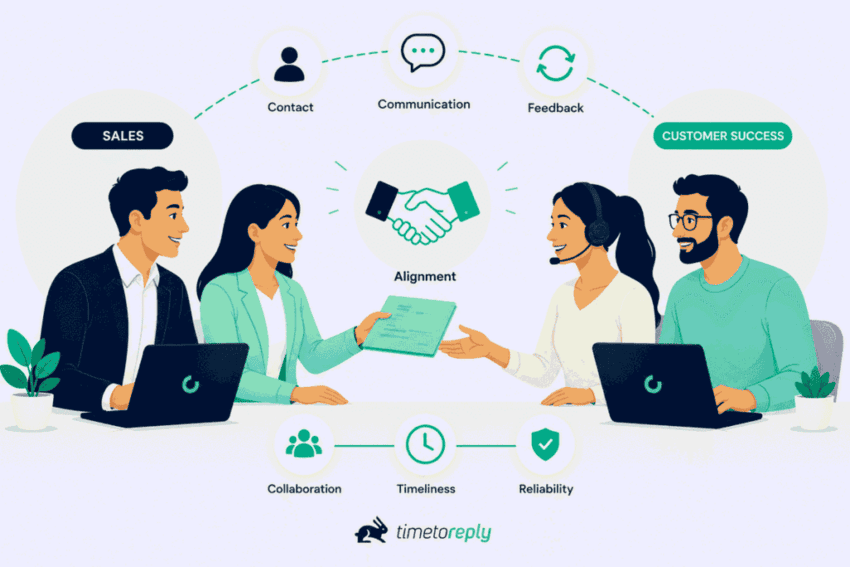
Image via timetoreply
How to apply it:
The stakes are high. Zendesk’s CX Trends 2026 found that 85% of customers say a single unresolved issue is enough reason to leave.
How to measure it: Handoff SLA and joint response time
Pick two or three of these nine customer engagement strategies, attach a metric to each, and improve them before adding more, with fast, consistent responses as the anchor for B2B teams.
A customer engagement strategy you can’t measure is a wish. Customer engagement metrics tell you which engagement efforts move the relationship and which don’t. Most page-one guides simply list metrics once and never tie them to a tactic.
Here’s the fix: track one metric per strategy. The table below maps each of the nine strategies to the metric that proves it works. This way, your customer engagement strategy is easy to review and defend.
| Strategy | What it improves | Metric to track |
| Personalize every interaction | Relevance | Repeat-purchase / conversion rate |
| Leverage omnichannel communication | Consistency | Cross-channel response time |
| Respond fast and consistently | Responsiveness | First-response time / reply-time SLA |
| Deliver valuable content | Attention | Content engagement / reply rate |
| Implement loyalty and reward programs | Retention | Repeat-purchase rate |
| Gather and act on customer feedback | Trust | CSAT / NPS / close-the-loop rate |
| Showcase success stories | Advocacy | Referral rate |
| Build community spaces | Belonging | Active participation |
| Align sales and customer success teams | Continuity | Handoff SLA / joint response time |
Beyond these, track the standard customer success metrics: customer lifetime value (CLV), churn and retention rate, and customer satisfaction. For customer-facing teams, responsiveness deserves its own line.
Give every customer engagement strategy one clear metric. Include reply-time SLAs in your CSAT and retention metrics so fast responses remain a priority.
Also Read:
You don’t need a dozen platforms to track customer engagement metrics. You just need to know how your teams communicate and how customers respond. Here are three that work well for B2B customer-facing teams.
| Tool | Best for | What it tracks |
| timetoreply | Email response performance | Reply times, SLAs, volume, and email engagement signals |
| HubSpot | Marketing and CRM engagement | Contacts, campaigns, website visits, and pipeline activity |
| Salesforce | Account and sales engagement | Accounts, opportunities, leads, and customer interactions |
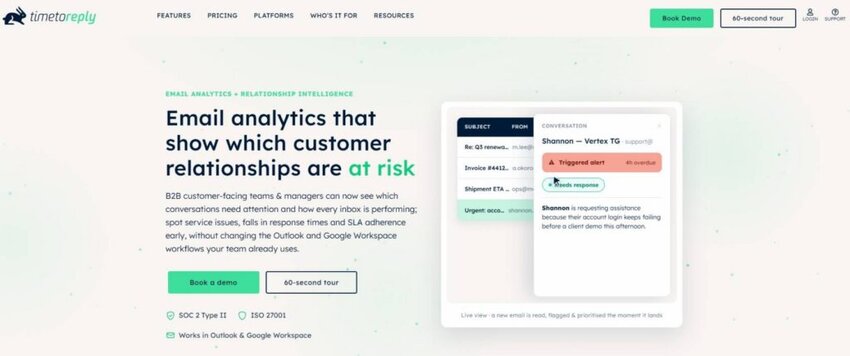
Image via timetoreply
timetoreply is a reply-time and email analytics software for customer-facing teams on Outlook, Microsoft 365, and Gmail. Its core analytics track reply times, SLAs, and email volume without changing your team’s dynamics.
It’s built to SOC 2 Type II, ISO 27001, HIPAA, and GDPR standards. On top of that, an emerging, opt-in Smart Data layer adds AI-assisted signals like sentiment, intent, and urgency. This way, leaders can spot service risks early.
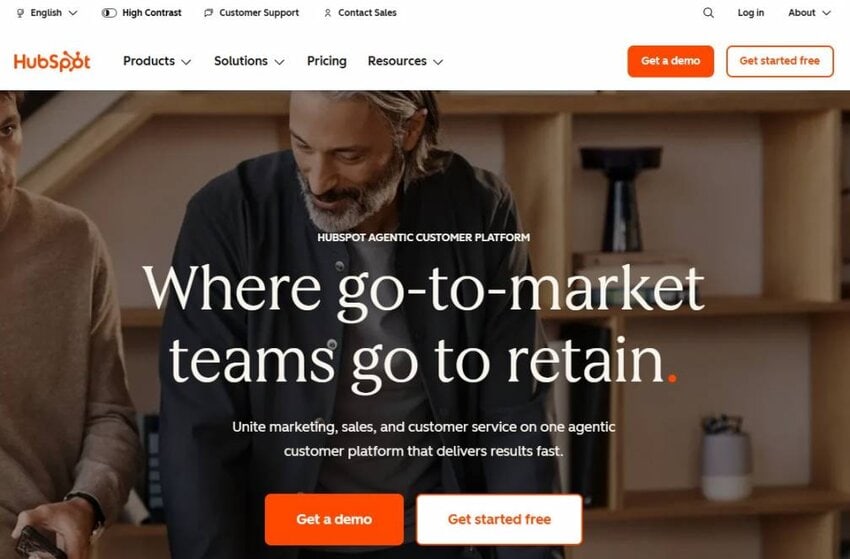
Image via HubSpot
HubSpot brings marketing, sales, and service into one CRM. It’s useful for tracking campaign engagement, contact activity, and pipeline. These metrics are useful for the top-of-funnel side of engagement.

Image via Salesforce
Salesforce is a CRM built for managing accounts and opportunities at scale. It helps larger teams keep account engagement and service cases in one place, especially where the sales relationship is complex.
Use a CRM to track customer actions and reply-time analytics. This allows you to see both what customers do and how well your team responds.
Also Read:
Even a good customer engagement strategy can stall on a few avoidable errors. Each of the following mistakes can quietly undermine the trust you’re trying to build.
| Mistake | Negative impact | The fix |
| Generic email blasts | Generic sends don’t add value | Segment and personalize |
| Personalizing with bad data | Wrong details break trust | Keep customer records clean |
| No metrics to track | You can’t improve what you don’t track | Monitor one metric per strategy |
| Ignoring customer feedback | Customers stop wasting time giving their feedback | Close the loop every time |
| Slow or inconsistent replies | Silence reads as indifference | Set and track reply-time SLAs |
The last one is the quiet killer. Twilio’s 2025 research found that 71% of customers walk away when engagement doesn’t feel relevant. Nothing feels less relevant than a message that goes unanswered.
The most common mistakes share one root cause: acting without measuring. Fix this by pairing every tactic with data and never letting replies go cold.
Aside from the three tracking tools above, a customer engagement strategy needs a combination of software to become effective. Choose based on the gap you’re trying to close. Don’t look at the longest feature list.
For customer-facing teams, the fastest win is usually the reply-time layer, because it improves an interaction customers notice immediately.
Also Read:
1. What are the 4 P’s of customer engagement?
The 4 P’s of customer engagement are people, process, product, and platform. People are your teams and customers. Process is how you interact. Product is the value you deliver. Lastly, platform is the technology that supports it. Together, these key components create a simple checklist for building a balanced customer engagement strategy that covers both the human and technical sides.
2. What is strategic customer engagement?
Strategic customer engagement is about being intentional with every customer interaction. Instead of only stepping in when something goes wrong, you have a plan for how you’ll support customers throughout their journey. Each touchpoint helps achieve a business goal. This could be improving satisfaction, boosting renewals, or creating opportunities to grow the relationship over time.
3. Can small businesses implement a successful customer engagement strategy?
Yes. Small businesses often engage customers better because they’re closer to them. Start with one or two strategies, such as fast, personal replies and acting on feedback. Then, measure the results. You don’t need a large budget or complex tools to begin. You only need clear goals and consistent follow-through with your customers.
4. How can technology enhance customer engagement?
Technology makes it easier to understand and support your customers. A CRM gives your team the context they need. Analytics reveal what’s working. Reply-time software shows how quickly customers are getting answers. Instead of spending time on repetitive tasks, your team can focus on meaningful conversations and creating better customer experiences.
5. What is an example of a customer engagement strategy?
A good example is a response-time program. Set a clear target for how quickly customer emails should be answered, give your team real-time visibility into the support queue, and use response-time data to improve your customer engagement strategy over time.
Ontellus used this approach to increase the share of emails answered within one business day from 62% to 86%. This just shows that tracking the right metric and making small improvements can have a lasting impact.
6. What is the difference between customer engagement and customer experience?
Customer engagement refers to every interaction between your business and your customers. Customer experience is how customers remember those interactions. One focuses on what happens during the relationship, while the other is about how the relationship feels over time. Better interactions usually lead to a better overall experience.
7. How do you measure customer engagement?
Customer engagement isn’t something you can measure with just one number. You need to look at a few different metrics together. Retention rate, repeat purchases, customer lifetime value, CSAT, and NPS tell you whether customers are satisfied and loyal.
If your team speaks with customers every day, response times are also worth paying attention to. When you match each engagement initiative with a clear metric, it’s much easier to see what’s working and where you need to improve.
8. Does response time affect customer engagement?
Yes. When customers get a quick reply, they feel like their time matters. Long delays can have the opposite effect. It makes your customers wonder if they’re a priority.
The previously mentioned Zendesk’s CX Trends 2026 report found that 86% of consumers say responsiveness and getting the right answer influence their buying decisions.
For B2B teams, improving reply times is a key customer engagement strategy. It’s something you can measure, manage, and improve over time.
9. What are the most important customer engagement metrics?
There isn’t a single metric that tells the whole story. The best ones depend on what you’re trying to achieve with your customer engagement strategy.
Retention rate, churn, customer lifetime value, CSAT, and NPS are useful because they show whether customers are engaged. If email is one of your main communication channels, response times are just as important.
Instead of monitoring every metric, pick a few that align with your goals. Use those to measure the progress of your customer engagement strategy.
10. What are the main types of customer engagement?
The main types are emotional, transactional, social, contextual, and convenience engagement. Emotional involves trust. Transactional is about buying and using. Social is about community and referrals. Contextual is about relevance. Convenience is about ease. A strong strategy designs for several types at once rather than relying on any single one.
11. How often should you review your customer engagement strategy?
It’s a good idea to check in every month and do a full review of your customer engagement strategy every quarter. This gives you enough time to spot trends without waiting too long to act. Customers change, and so do their expectations. If something isn’t working, you’ll catch it sooner and have time to fix it before it starts affecting retention or customer satisfaction.
Also Read:
A customer engagement strategy works best when it becomes part of how your team works every day. It can’t just sit in a document or be a phrase on a slide. It needs to show up in real customer interactions.
That means having more personal conversations, replying on time, following through on promises, and learning from customer feedback. Keep track of these efforts with simple metrics so your team knows what is working and what needs to change.
For B2B teams, response time is often the first thing customers notice. Make it a key part of your customer engagement strategy. Then, use it as a benchmark for improving customer experiences.
Start small. Choose two strategies, set a metric for each, and work on improving them this quarter. Once they’re working, add the next ones. These small improvements can lead to stronger customer relationships, higher revenue, and more referrals.
Want to know how quickly your team responds and where you can improve? Book a demo and turn customer engagement into something you can measure.
Get live inbox alerts and reply quickly to customer emails with timetoreply

Head of Customer Success @ timetoreply
Barry Blassoples is the Head of Customer Success at timetoreply, where he helps customer-facing teams boost revenue and protect brand reputation by providing actionable insights to improve their business email response times. He has over 15 years of leadership experience across customer success, sales, and marketing roles in high-growth tech companies.



Trusted by high-performing inbound sales teams and customer-facing teams globally.
Close more deals and delight more customers with the faster, smarter, deeper email analytics and performance optimization software that works straight from your team’s inbox.