
Fast email replies for logistics firms help you keep customers happy, stay ahead of competitors, and improve teamwork. By using automated alerts, templates, and clear company policies, you can turn quick communication into a daily habit.
Fast email replies for logistics firms improve communication, reduce delays, and help your team make quick, informed decisions.
Your email replies can be the deciding factor in whether customers stay loyal or take their business elsewhere. When customers reach out with questions, concerns, or complaints about shipping delays, every minute they wait for a response can affect their satisfaction. Delayed response can frustrate customers and cost you business.
By replying quickly, you solve issues early and prevent small problems from growing into costly disruptions. Fast email replies for logistics firms also reduce back-and-forth emails, which saves time for everyone.
In this post, we’ll discuss the significance of fast email replies for logistics firms and their impact on your company’s reputation and customer confidence.
Fast email replies for logistics firms are crucial because they improve customer satisfaction, give you a competitive edge, and streamline communication. Logistics companies that answer quickly build strong customer relationships. They also ensure that every part of their supply chain stays on schedule.
Let’s discuss the advantages of fast email replies for logistics firms in more detail.
While businesses closely monitor various metrics like website traffic and sales pipeline, the impact of email response time often goes overlooked.
However, studies consistently show that fast email replies lead to happier customers and increased sales.
According to a Zendesk survey, 86% of customers say that fast replies and accurate resolutions directly impact their decision to purchase from a brand.
The average email response time across industries is approximately 14 hours, 54 minutes, according to an EmailAnalytics report. This leaves customers, sales leads, and team members waiting for almost two days before receiving a professional reply.
Now, consider this. The logistics sector performs slightly better than the industry average, with average email replies of 12 hours, 3 minutes.
In comparison, the finance sector typically responds within 16 hours, 16 minutes. Meanwhile, real estate professionals take 14 hours, 14 minutes to reply to emails. Retail businesses, despite their massive size, have an average response time of 15 hours, 33 minutes.
However, a recent survey revealed that 57% of customers expect a response within two hours. So, even if you’re meeting the industry standard by responding within 14 hours, you’re still not quite hitting the mark, according to customer expectations.
With improved email reply times, you can meet customer expectations and enhance satisfaction. This, in turn, leads to improved customer retention and loyalty.
Also Read:
Speed can be the deciding factor when clients choose between similar logistics providers. The previously cited Shep Hyken study found that customers have switched brands due to poor customer service. Delayed communication is often a major part of that dissatisfaction, along with the following other reasons:
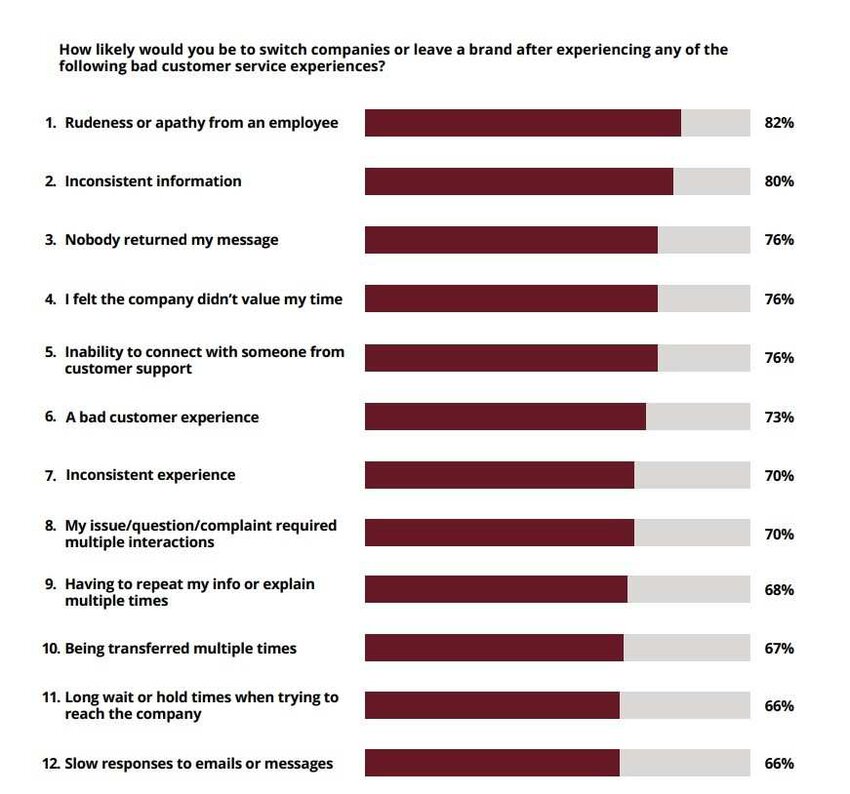
Image via Shep Hyken
As such, fast email replies for logistics firms can be a powerful differentiator in a competitive marketplace. With leads and inquiries through email marketing, timely responses are critical to increasing conversion rates and securing more deals.
So, logistics firms that prioritize fast email communication can outperform slower competitors and win more loyal customers.
Email is also a key tool for internal coordination, especially when logistics teams are spread across multiple locations or time zones. Delayed email responses stall internal operations and disrupt the efficiency of logistics firms. They can cause missed pickups, late deliveries, or confusion between teams.
Coordination between warehouses, drivers, sales reps, and client teams depends on clear and fast communication. Fast email replies for logistics firms improve internal workflows, helping teams stay synchronized and proactive.
According to a Miro study, 55% of workers say they’re constantly busy but get less done. 79% of them say constant emails and messages contribute to reduced productivity and overwhelm. Reducing the lag time in these exchanges can accelerate decision-making and decrease the likelihood of crucial details being overlooked.
Also Read:
They keep customers satisfied, set you apart from slower competitors, and keep internal teams in sync. Prompt replies mean better service, more won business, and smoother day-to-day operations.
To consistently deliver fast email replies for logistics firms, you need to use the right systems, set clear goals, and implement standard rules for your team. Combining the right tool stack with organized office habits helps you find the right balance and improve your email response times.

Here are some simple yet effective strategies you can use to maintain quick email communication.
Set up real-time notifications for incoming customer emails, especially those from key clients or containing specific keywords (like “urgent,” “delay,” or “shipment”).
This can be done using filters and alert systems in most email platforms like Outlook or Gmail. Here’s an example of how to turn on notifications in Gmail.
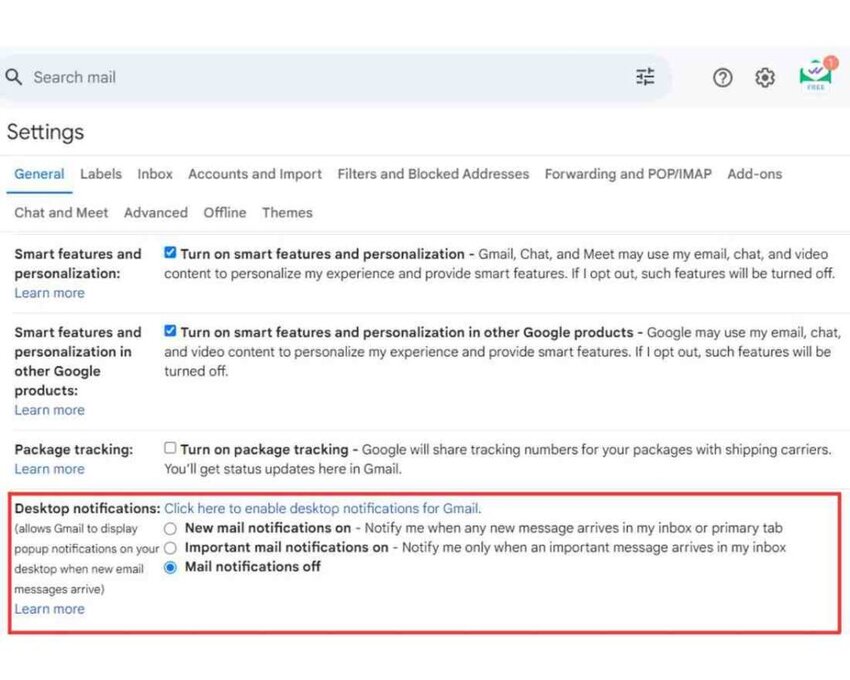
Image via Mailsuite
You can also connect your Gmail or Outlook account to communication tools like Slack or Microsoft Teams to instantly ping the right person or group.
Incentivize your team to achieve specific email SLAs, such as replying to customer queries as quickly as possible. A tool like timetoreply sends real-time alerts when email responses are nearing a deadline.
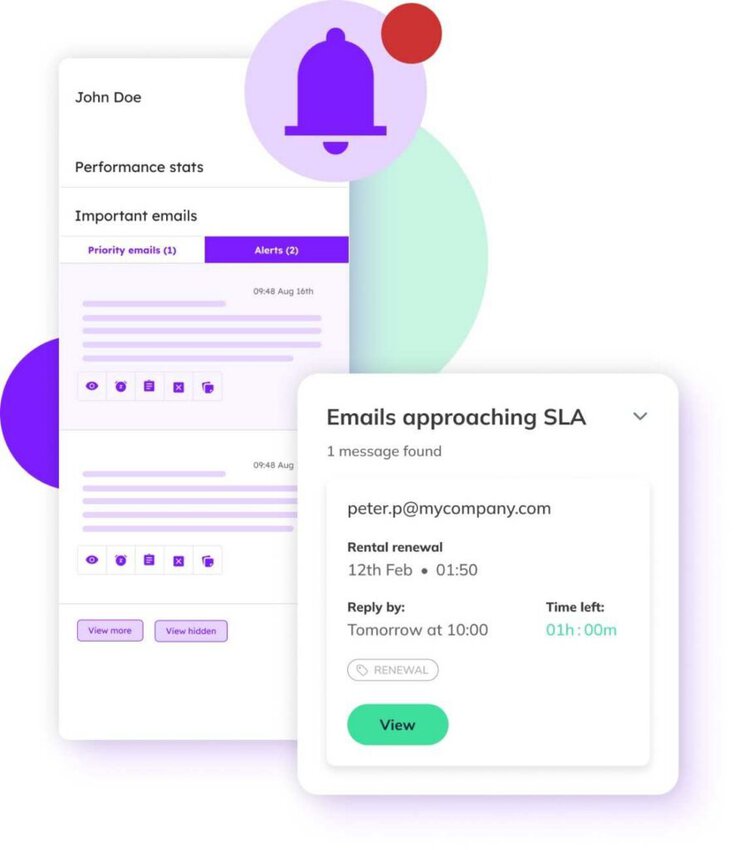
Image via timetoreply
You can display a response-time leaderboard showing top performers, or offer small rewards to motivate quick, high-quality customer replies.
When goals are clear and expectations are aligned, fast email replies for logistics firms can become the norm.
Conduct monthly audits of email response time metrics to get actionable insights on areas of improvement and optimize team productivity and performance.
Leverage the timetoreply email analytics tool to track your team’s average response times, message volume, and peak traffic hours. Use the data to identify delays and improve email response times.
Also Read:
Streamline responses and follow-up email messages using standardized email templates and standard operating procedures. This reduces the time to address common queries.
You can create pre-written templates for clear subject line grabs and email messages tailored for specific customer segments.
The templates can answer questions like shipping rates, delivery timelines, or order tracking. See this email template example, which includes specific details about shipping and addresses any further questions readers might have. You can create such a template and tweak sections to keep a personal touch while remaining efficient.
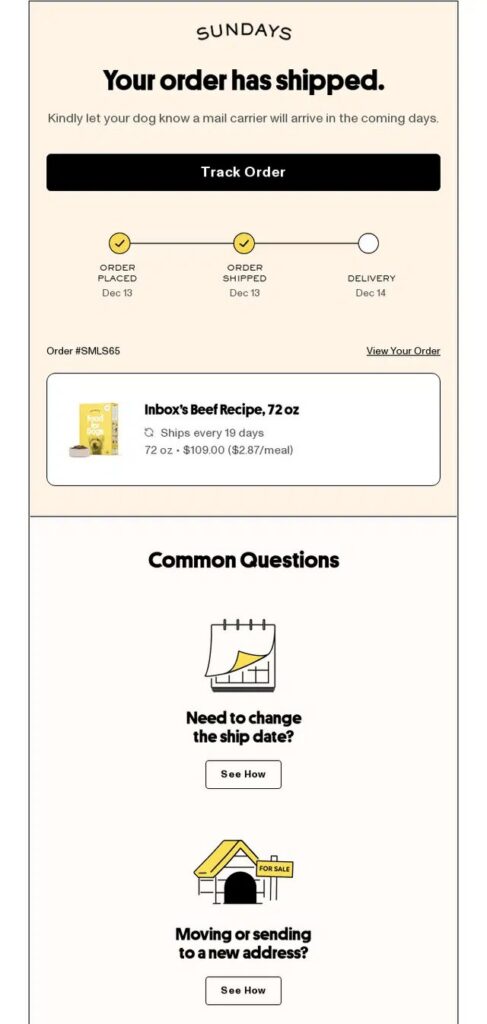
Image via Really Good Emails
Implement a triage system to prioritize high-priority emails that require immediate response. Ensure that urgent inquiries receive prompt attention while efficiently managing the workload.
Assign someone on your team to monitor the inbox and sort incoming messages based on urgency and topic. Use color codes or folders (like “High Priority,” “Quotes,” or “Delivery Issues”) to help staff prioritize tasks.
Here are some typical response time goals you can set for different types of logistics emails.
Develop standardized email response time policies to set expectations and track performance against predefined goals. This can foster the development and improvement of customer service skills across departments.
Set clear expectations. Reply to all customer service emails within one hour, and respond to internal communications within four hours.
These policies can provide structure and accountability, reinforcing the importance of fast email replies for logistics firms as a shared responsibility for the whole organization.
Also Read:
Combine the right tools with clear goals and simple systems like real-time alerts, response-time targets, templates, triage, and regular metric audits. Company-wide policies then turn quick replies into a consistent daily habit.
1. What is a good logistics email format?
A good logistics email format should be clear, concise, and structured for quick reading. Typically, it includes a direct subject line, a professional greeting, the main message (preferably in bullet points if it’s an update or report), contact info, and next steps.
This format helps ensure fast email replies for logistics firms, since both sender and recipient can quickly understand and act on the message.
2. What tools can help improve email response times for logistics customers?
Tools like timetoreply, shared inboxes, CRMs, and autoresponders can help improve email efficiency and help teams manage large volumes effectively.
3. Can email templates support fast email replies for logistics firms?
Yes. Email templates allow team members to respond quickly to common questions without starting from scratch each time. These templates often include subject lines and standard responses for inquiries like delivery ETAs, invoice requests, or customs documentation.
4. How do I stay consistent with fast email replies for logistics firms?
Use standard operating procedures (SOPs), response time goals, and regular performance tracking. Rotate team responsibilities to prevent burnout and ensure coverage during busy periods.
5. How often should logistics teams check email metrics?
It’s a good practice to check email metrics at least once a month. Regular audits will help you track how quickly your team responds and uncover areas needing improvement.
Maintaining fast email replies for logistics firms is key to delivering top-notch customer service. With quick customer service resolution, you can build trust, improve operational efficiency, and enhance your bottom line.
Avoid having slow replies as the weak point in your logistics chain. Embrace best practices, use the right tools, and create a culture of responsiveness. Start by measuring your current performance and work on improving it. By taking these steps, you’ll see happier customers, faster operations, fewer delays, and steady business growth.
Want to make a measurable impact? Cost-effective solutions like timetoreply help customer-facing teams take control of their inboxes, respond faster, and win more business. Book a demo today and start transforming your logistics operations with quicker replies.
Get live inbox alerts and reply quickly to customer emails with timetoreply

Head of Customer Success @ timetoreply
Barry Blassoples is the Head of Customer Success at timetoreply, where he helps customer-facing teams boost revenue and protect brand reputation by providing actionable insights to improve their business email response times. He has over 15 years of leadership experience across customer success, sales, and marketing roles in high-growth tech companies.



Trusted by high-performing inbound sales teams and customer-facing teams globally.
Close more deals and delight more customers with the faster, smarter, deeper email analytics and performance optimization software that works straight from your team’s inbox.