
Wondering whether your customers are truly satisfied or quietly thinking about leaving? Many businesses lose opportunities simply because they don’t understand what the customer needs.
If you want to keep buyers coming back, you must continuously measure customer satisfaction. With the right insights, you’ll know what your buyers need to stay happy and loyal.
What do the numbers say about the importance of customer satisfaction?
A Salesforce study reveals that 88% of customers consistently purchase from brands that deliver excellent service. This translates to more sales, revenue, and long-term business growth.
In this guide, you’ll learn what customer satisfaction means, which associated metrics to track, and how to measure it step by step.
Let’s get right into it.
Customer satisfaction is how happy your customers feel after interacting with your brand. It reflects how well your product, service, or support meets their needs and expectations.
How you measure customer experience shapes how you understand customer satisfaction across all touchpoints. This includes browsing your website, making a purchase, getting help, and receiving follow-up messages.
A satisfied customer feels valued, understood, and supported. This makes them more likely to trust you and continue buying from your brand over the long term. They may also recommend you to other potential buyers.
An unhappy customer feels ignored, frustrated, or disappointed. These customers may leave your brand and share negative reviews. In fact, 41% of B2B customers said they stopped buying from a business due to poor customer experience.
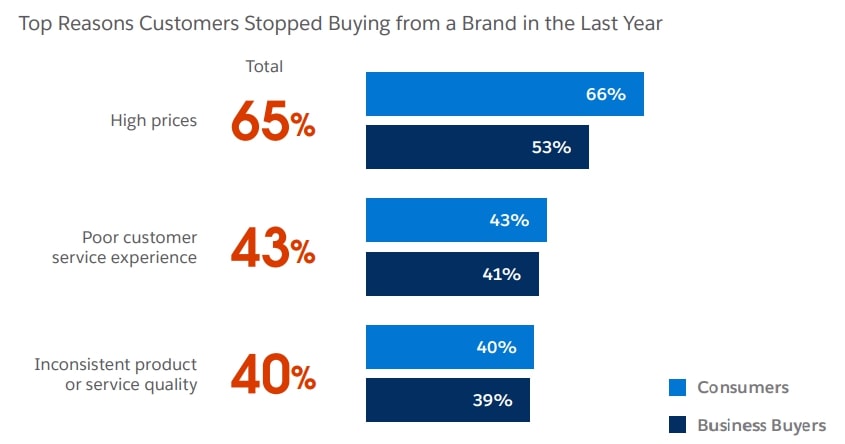
Image via Salesforce
When you measure customer satisfaction, you can identify issues and fix them before they cause you to lose customers.
You might assume customers are happy with your products or brand. However, you could be missing the minor frustrations that eventually drive them away. When you measure customer satisfaction, you learn exactly what buyers think about your business instead of guessing.
Here’s why it’s important:
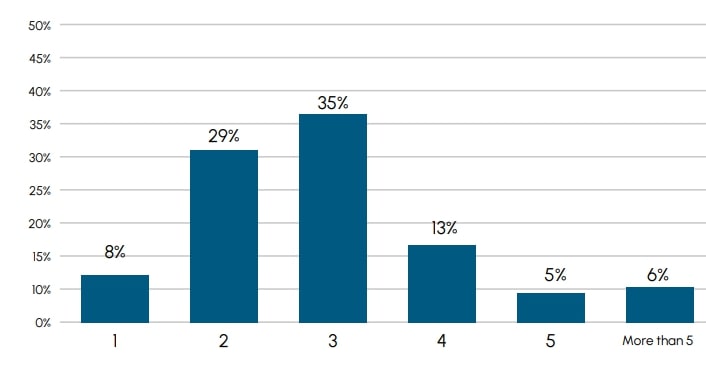
Image via The Futurum Group
Also Read:
To measure customer satisfaction effectively, you should know the right metrics to monitor. Each metric helps you understand how customers feel at every step of their journey with your brand.
Here are the key customer satisfaction metrics to track.
This metric tells you how happy customers feel right after an interaction or purchase. You can collect customer feedback through a short CSAT survey.
Ask simple questions like, “How satisfied were you with your experience?” Customers can then respond with a 1–5 rating scale.
A high score means you meet customer expectations, while a low one shows you need to make improvements.
NPS is one of the customer satisfaction metrics that helps you identify loyal customers from unhappy ones. Specifically, it shows how likely customers are to recommend you to others.
You ask a single question: “How likely are you to recommend our company to others on a scale of 0 to 10?”
Customers who give a score of 9 to 10 are promoters and likely to remain loyal to your brand. Detractors, on the other hand, give low scores of 0 to 5 to show their dissatisfaction.
CES measures how easy it is for customers to solve a problem or complete a task. You can ask, “How easy was it to get your issue resolved?”
When customers say something is difficult, then you should simplify your process. A low-effort experience can improve customer satisfaction and retention.
This key performance indicator (KPI) tracks the percentage of customers who stop doing business with you over a given period.
A high churn rate is a leading indicator of dissatisfaction. It suggests that your value proposition or customer experience isn’t meeting expectations.
By measuring and improving customer satisfaction, you can reduce churn and boost loyalty.
FRT measures how fast your customer service team responds to a customer’s first message. Customers appreciate it when you respond quickly to their issues. This reduces frustration and improves overall satisfaction.
You can use email response tools to track and improve reply times. Also, leverage chatbots or ticket routing tools to reduce the workload for your customer service team.
This metric shows how often your team solves a customer’s issue during the first interaction. A high FCR may indicate an efficient, well-trained, and proactive customer support team. It means customers don’t need to follow up multiple times, which leads to high satisfaction.
A low FCR points to issues like training gaps, system limitations, or poor routing. To improve your FCR rate and deliver a good customer experience, you should fix these bottlenecks.
CLV tracks how much value a customer brings to your business over your entire relationship. When CLV increases, it signals that customers feel satisfied, supported, and willing to keep buying.
Monitoring this metric helps your customer service team focus on building strong, lasting relationships. Compare CLV with customer satisfaction feedback to see which experiences lead to long-term loyalty.
Tracking these key metrics to measure customer satisfaction gives you a clear view of customer sentiment, helps you catch issues early, and guides better decisions that support long-term retention.
Also Read:
Measuring satisfaction isn’t just a one-time task. Collecting feedback is an ongoing process throughout the customer’s journey.
Here are some practical ways to measure customer satisfaction effectively.
Before you measure customer satisfaction, you need to know why you’re doing it in the first place. Clear customer satisfaction goals help you ask the right questions and avoid collecting random feedback.
You might want better customer retention, increased conversions, faster support, or reduced churn.
For example, if your goal is to offer better customer support, focus on improving email response times and issue resolution. For business growth, prioritizing loyalty and referrals may be the better move.
Here are a few tips to help you identify your goals:
The next step is selecting key customer satisfaction metrics that align with your identified goals. These metrics give structure to collecting customer satisfaction feedback and make progress easy to track.
Each metric also provides actionable insights into different touchpoints. Here’s a quick guide on which one works best for each goal.
For example, if customers complain about slow replies, track your email response time to spot points of friction.
The way you collect feedback matters just as much as what you ask. Use methods that fit your customers’ habits and your business type. You can also mix methods to gain a fuller picture and measure customer satisfaction more accurately.

Image via Instagram
Also Read:
The questions you ask determine the quality of your insights. Poor, ambiguous questions confuse your audience and result in unreliable data. Clear queries, on the other hand, help you get accurate answers and measure customer satisfaction effectively.
You want to make it as easy as possible for customers to give you their honest opinion without overthinking it.
Here are some practical tips to help you craft the right survey questions:
Here’s an example of a customer satisfaction survey with short, clear, and direct questions:
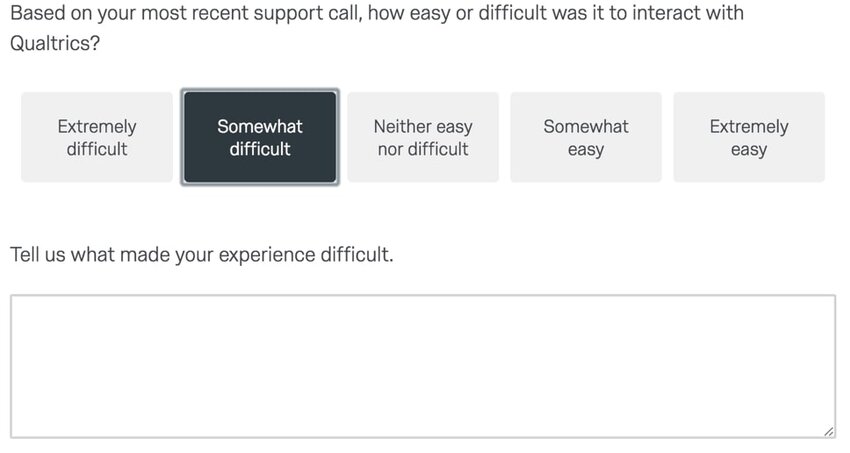
Image via Qualtrics
To measure customer satisfaction accurately, you need to ask questions at the right moments during the buyer journey. This means focusing on touchpoints that shape the overall customer experience.
Customers are more likely to give honest and useful feedback when their emotions are strongest, usually right after an interaction. If you wait too long, you might not get accurate answers.
You can measure customer satisfaction after:
Leverage multiple communication channels, including email and social media platforms, when collecting feedback. This ensures that you meet customers where they’re most comfortable.
Meeting buyers where they already are also increases response rates. It helps you measure customer satisfaction across a wider customer base and get different perspectives.
Here are the most effective channels that can help you measure customer satisfaction:
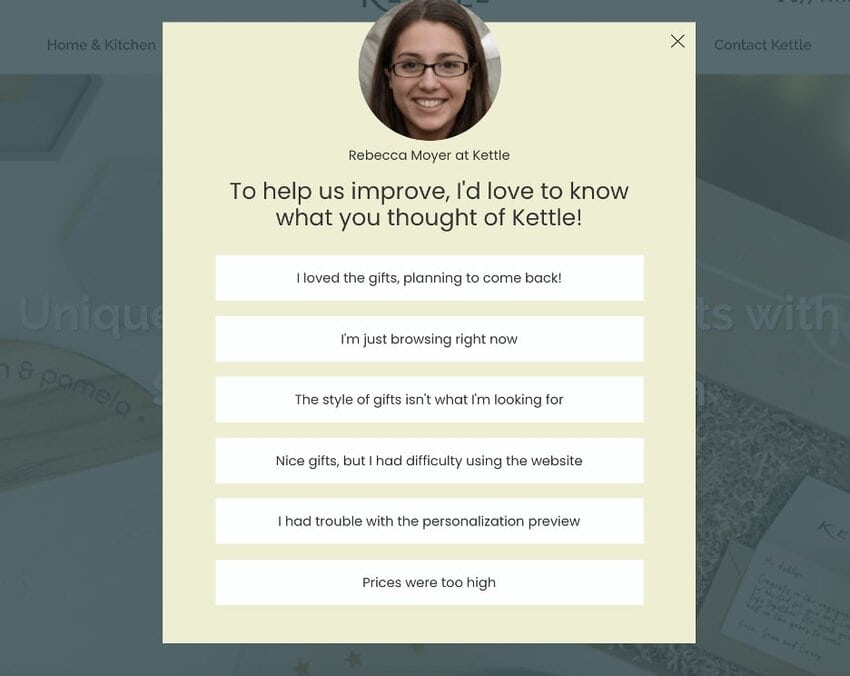
Image via OptiMonk
Also Read:
Raw numbers are only useful if you review, interpret, and understand how they affect overall satisfaction. This step helps you turn feedback into clear, actionable insights.
Here’s how to analyze customer satisfaction data properly:
Don’t simply measure customer satisfaction. Make changes based on feedback. If customers don’t see improvements, they may stop sharing feedback and lose trust in your brand.
Taking action shows that you value your customers’ opinions and want to meet their needs. This helps you increase customer retention. Over time, this consistent improvement strengthens relationships and customer loyalty.
Here are simple ways to turn customer feedback into action:
Customer expectations change regularly, so you must continuously measure customer satisfaction. A study shows that 39% of customers report switching brands due to evolving expectations.
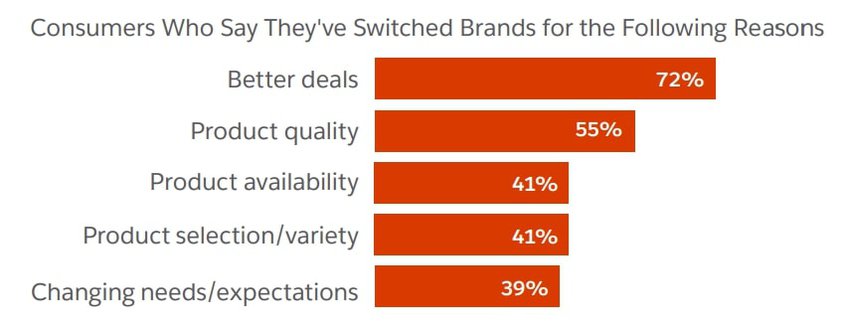
Image via Salesforce
When you consistently measure customer satisfaction, you can adjust quickly and keep delivering the value that customers need.
Here’s how to track progress and keep improving:
Also Read:
1. How can I measure customer satisfaction?
To measure customer satisfaction correctly, follow these steps:
2. What are the best KPIs for measuring customer satisfaction?
The best KPIs to measure customer satisfaction include:
3. What is the 5-point customer satisfaction scale?
The 5-point scale measures how customers feel about a particular interaction, product, or service. It uses ratings like very dissatisfied, dissatisfied, neutral, satisfied, and very satisfied to gauge overall satisfaction.
4. Which tools are commonly used to measure customer satisfaction?
The most popular tools used to measure customer satisfaction include survey platforms, CRM systems, and help desk software. These solutions help you track scores, organize responses, and turn feedback into insights that support better decisions.
5. What are the 3 C’s of customer satisfaction?
The 3 C’s of customer satisfaction are:
6. What is the best indicator of customer satisfaction?
There’s no single best indicator, but CSAT and NPS are widely trusted. CSAT shows how happy customers are, while NPS shows willingness to recommend your brand to others. Using both customer satisfaction KPIs provides a balanced view of satisfaction and long-term customer relationships.
7. How often should I measure customer satisfaction?
You should measure customer satisfaction regularly. Collect feedback after key interactions in real-time and review overall trends monthly or quarterly. Regular monitoring helps you catch problems early, respond quickly, and keep up with changing customer expectations.
8. How can I handle unhappy customers?
Here’s how to manage unhappy customers:
Learning how to measure customer satisfaction helps you stop guessing what customers think about your business.
By tracking the right metrics and following the steps outlined in this guide, you can gain valuable insights into customer needs. Beyond this, act on feedback to meet customer expectations, reduce churn, and increase retention.
With the right tools, you can quickly spot slow response times and service issues that frustrate customers. Start using timetoreply today to track response times and improve overall customer satisfaction.
Get live inbox alerts and reply quickly to customer emails with timetoreply

Head of Customer Success @ timetoreply
Barry Blassoples is the Head of Customer Success at timetoreply, where he helps customer-facing teams boost revenue and protect brand reputation by providing actionable insights to improve their business email response times. He has over 15 years of leadership experience across customer success, sales, and marketing roles in high-growth tech companies.



Trusted by high-performing inbound sales teams and customer-facing teams globally.
Close more deals and delight more customers with the faster, smarter, deeper email analytics and performance optimization software that works straight from your team’s inbox.