
The best Hiver alternatives are timetoreply, Missive, and Gmelius. Most teams start looking because of Hiver’s per-seat cost, thin reporting, or its Gmail-first fit. Hiver does shared inboxes well for small Google Workspace teams. As support scales, though, the price and the reporting limits start to show.
Fast replies are not a nice-to-have anymore. 86% of consumers say responsiveness and accurate resolution shape who they buy from, per Zendesk’s 2026 CX report. So the right tool is the one that helps your team reply faster and measure performance.
This guide compares nine Hiver alternatives by type, price, and platform. You also get a short framework to pick the right one for your team.
Key takeaways
Here are the nine best Hiver alternatives in this guide, grouped by the job they do best.
Start with your platform and your goal. Gmail teams that want automation often choose Gmelius or Drag. Teams that need to measure reply times across every mailbox pick timetoreply.
We work closely with customer-facing teams and support operations. So we judged each tool the way a Hiver user would when shopping for a replacement. We weighed five factors when evaluating these Hiver alternatives.
We pulled pricing from each vendor’s live page and ratings from G2. Where a tool serves a different job than Hiver, we say so plainly. The goal is fit, not a forced ranking.
You need Hiver alternatives when the cost, the seat-block model, or the reporting depth stops fitting your team. Hiver is a solid Gmail-native shared inbox. It assigns emails, adds notes, and keeps a clean Gmail feel with almost no learning curve. It’s free plan supports unlimited users, which is rare.
But the gaps show as you grow. Here are the common reasons teams compare Hiver competitors.
It’s a straightforward pattern. Until you need to scale, measure, or stop using Gmail, Hiver is good. A less expensive tool, a more comprehensive support desk, or an analytics layer then merits a spot.
Two numbers frame the stakes. 85% of CX leaders say customers will drop a brand that can’t resolve an issue on first contact (Zendesk, 2026). And Salesforce expects AI to handle about half of service cases by 2027. Your tooling should help you keep up, not hold you back.
Here is how the nine Hiver alternatives compare against Hiver at a glance. Hiver sits in the first row as the baseline. Each tool name jumps to its full review below.
| Tool | Best for | Gmail / Outlook | Starting price (mo, annual) | G2 rating |
| Hiver (baseline) | Gmail-native shared inbox | Yes / Yes (newer) | Free; paid from $25/user | 4.6 (1,283) |
| timetoreply | Measuring reply times and SLAs | Yes / Yes | $29/mailbox (15 min refresh) | 4.3 (4) |
| Missive | Cross-platform collaboration | Yes / Yes | $14/user | 4.7 (845) |
| Gmelius | Gmail with migration support | Yes / No | $19/user | 4.4 (776) |
| Drag | Budget Gmail shared inbox | Yes / No | $12/user | 4.5 (261) |
| Keeping | Small Gmail support teams | Yes / No | $14/user | 4.5 (69) |
| Help Scout | Standalone help desk + KB | Yes / Yes | $25/user | 4.4 (425) |
| Freshdesk | Teams scaling support operations | Yes / Yes | $19/agent | 4.4 (3,746) |
| Zendesk | Enterprise customer experience | Yes / Yes | $19/agent | 4.3 (6,980) |
| Yablo | Outlook / Microsoft 365 teams | No / Yes | $8/user |
Prices are original monthly rates on annual billing, as of June 2026. Verify on each vendor’s page before you buy. timetoreply’s G2 sample is small, so weigh it on fit, not the score.
Below are the nine best Hiver alternatives in depth. Each review covers features, pros, cons, pricing, fit, and a quick tip. We start with the tool that addresses one of Hiver’s reporting gaps: measuring reply speed.

Image via timetoreply
The first of our Hiver alternatives takes a different angle. timetoreply is not a shared inbox. It is the email analytics layer you add when a shared inbox can’t tell you if replies are fast enough. It tracks reply times and SLAs across Gmail and Outlook, so managers can coach in real time.
Why switch to timetoreply: it helps teams measure whether they meet reply-time goals across every mailbox.
That visibility is crucial for managers. You see first response times, SLA compliance, and your busiest hours in one view. You can spot which mailboxes lag and which reps need coaching. And you do it without switching inboxes or retraining the team. Want a quick look at the dashboards? Take the 60-second tour.
Key features
Pros
Cons
Pricing
ul>
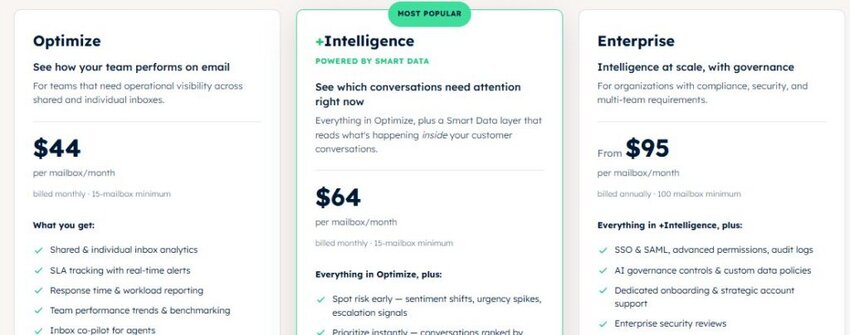
Image via timetoreply
Best for
Mid-market and enterprise teams that must prove and improve SLA performance across Gmail and Outlook.
Usability
Setup connects by OAuth, with no workflow change. Reporting builds from the connection date. Because it reads both Gmail and Outlook mailboxes, it suits mixed environments most Hiver alternatives do not support. Customer results show the payoff. Swift Momentum improved reply times by 300 to 400%. Telarus cut replies from 7 hours to 2.
Pro tip: Run timetoreply alongside your shared inbox for a month first. The baseline reply-time data makes the business case for any wider change.

Image via Missive
Next on our list of Hiver alternatives is Missive, a standalone shared inbox built for teamwork. Unlike Gmail-first Hiver, Missive works natively across Gmail, Outlook, and any IMAP account. It also pulls SMS, WhatsApp, and social messages into one shared view.
Key features
Pros
Cons
Pricing
A free plan covers up to three users, with a 30-day trial on paid plans.

Image via Missive
Best for
Teams that want one collaborative inbox for customer service emails across channels and platforms.
Usability
feature-rich, so expect a brief learning period. Migration from Hiver is guided by support rather than a one-click import.
Pro tip: Use Missive’s rules to auto-assign by sender or keyword. It removes the manual triage that slows shared inboxes down.

Image via Gmelius
Among Gmail-first Hiver competitors, Gmelius is one of the closest alternatives and offers documented Hiver migration guidance. It adds shared labels, automation, and Kanban boards inside Gmail, then layers AI agents on top.
Key features
Pros
Cons
Pricing
Plans scale up with automation and AI features

Image via Gmelius
Best for
Gmail teams that want automation for email productivity, plus a guided exit from Hiver.
Usability
Since everything happens right inside Gmail, you don’t need to relearn much. The migration guide and help with your account smooth out the move, so you won’t feel stuck
Pro tip: Export your Hiver data before you start. Gmelius can import conversations, but you’ll want a backup of the notes it can’t move.
Also Read:

Image via Drag
Drag is one of the most affordable apps like Hiver for Gmail teams. It turns Gmail into shared boards, so you manage email as cards in a Kanban view. The entry price sits below Hiver’s paid tiers.
Key features
Pros
Cons
Pricing
Drag starts at $12 per user each month on annual billing, or $16 monthly. A 7-day free trial is available.

Image via Drag
Best for
Small Google Workspace teams that want visual, low-cost email management.
Usability
The board metaphor is intuitive, and onboarding is fast. Heavier automation needs a higher plan.
Pro tip: Start with one shared board per inbox, like support or billing. It keeps the view clean before you add automations.

Image via Keeping
Keeping is a Gmail-native help desk aimed at small teams, and it markets itself directly as a Hiver alternative. It adds ticket assignment and statuses inside Gmail, but keeps replies looking personal, with no visible ticket numbers.
Key features
Pros
Cons
Pricing
A 14-day free trial is available on all three plans.

Image via Keeping
Best for
Small Google Workspace support teams that want to track customer service metrics without a heavy help desk.
Usability
It feels like Gmail, so agents adopt it quickly.
Pro tip: Set up SLAs early if you’re on the Advanced plan. Even simple response targets can help small teams prioritize conversations more effectively.
Also Read:

Image via Help Scout
Help Scout is a standalone help desk and a popular pick among software like Hiver. It is platform-independent, so both Gmail and Outlook teams can use it. It also adds a customer-facing knowledge base and a Beacon chat widget that Hiver lacks.
Key features
Pros
Cons
Pricing
A free plan covers up to five users.
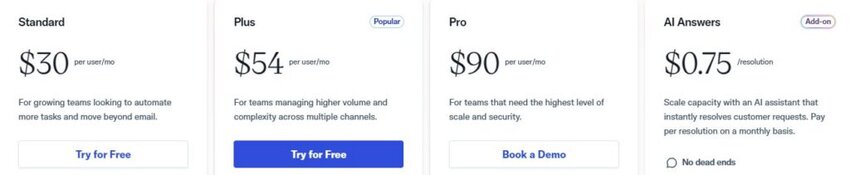
Image via Help Scout
Best for
Small to mid-size support teams that want true customer service software with a knowledge base.
Usability
Getting started is fairly simple, and the knowledge base can be up and running quickly. Moving from Hiver relies on standard import methods rather than a dedicated migration tool.
Pro tip: Build five knowledge base articles for your top questions first. Beacon can resolve some requests before they reach the inbox.

Image via Freshdesk
When a shared inbox stops scaling, Freshdesk is one of the best Hiver alternatives for teams moving from shared inboxes to ticketing. It is a full help desk built for growing customer service teams, with ticketing, SLAs, and a self-service portal. Where Hiver stays inside email, Freshdesk adds phone, chat, and social channels.
Key features
Pros
Cons
Pricing
A free plan covers one to two agents.

Image via Freshdesk
Best for
Teams outgrowing a shared inbox that need ticketing, SLAs, and a portal.
Usability
Expect a full implementation, rather than a Gmail add-on. The payoff is depth once it’s configured.
Pro tip: Map your email aliases to groups before launch. Clean routing on day one prevents a messy shared queue later.
Also Read:
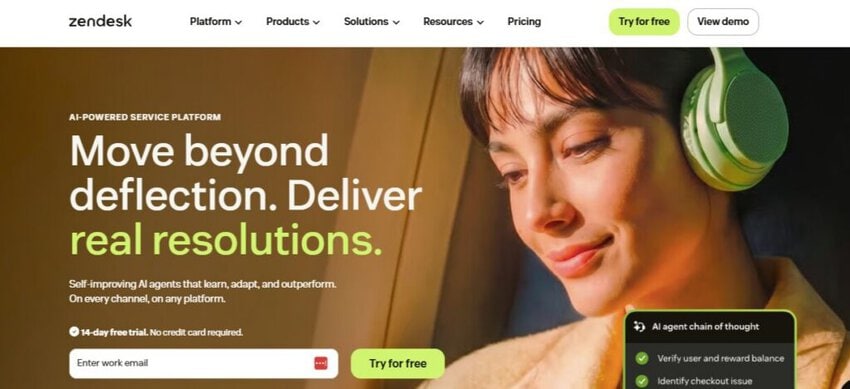
Image via Zendesk
Zendesk serves the enterprise end of the Hiver competitors market. It is a comprehensive customer experience platform, with omnichannel support, AI agents, and deep reporting. It carries the largest review base of any tool here, which signals broad adoption.
Key features
Pros
Cons
Pricing
A 14-day free trial is available.
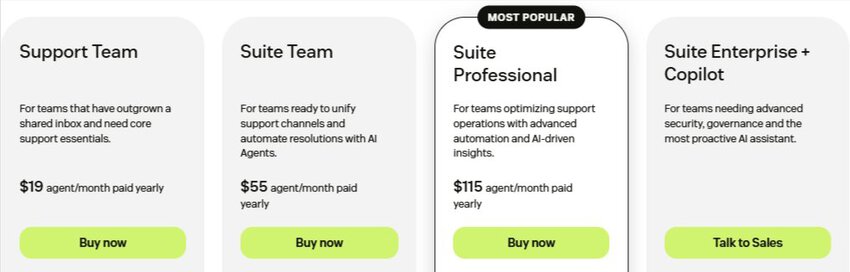
Image via Zendesk
Best for
Best suited for mid-sized and enterprise teams that need to manage customer conversations across multiple channels at scale.
Usability
It is powerful but complex, so plan for setup time. Many teams use a partner to migrate and configure it.
Pro tip: Start with the Support plan, not the full Suite. Add channels only once email is running cleanly.

Image via Yablo
If your team works primarily in Outlook, Yablo is a Hiver alternative designed for Microsoft environments. It is Microsoft 365-native, making it a stronger fit for Microsoft environments than Gmail-first Hiver. It offers a Microsoft-focused approach similar to Hiver’s Gmail-first model.
Key features
Pros
Cons
Pricing
Yablo starts at $8 per user each month on annual billing, or $12 monthly. A free trial is available.

Image via Yablo
Best for
Outlook and Microsoft 365 teams that want Hiver-style shared inboxes natively.
Usability
For Microsoft teams, the fit feels natural inside Outlook and Teams. It has no G2 profile yet, so test it before you commit.
Pro tip: Try Yablo with a single Outlook shared mailbox first. This gives your team a chance to validate the routing and reporting before expanding it across the organization.
Also Read:
Match the Hiver alternative to your most important variable, not a long wish list. The right pick usually comes down to three questions. Which platform do you run? What job do you need done, and on what budget? Answer those, those questions, and the list becomes much shorter. It also helps to map your customer service SLAs before you commit.
Choose your Hiver alternative if:
One more factor decides how smooth the switch is: migration. Only Gmelius offers a guided Hiver import, and even that can’t move your notes and tags. Most other tools use standard CSV or API setup. So export your Hiver data first, and budget time to rebuild automations. To go deeper on the category, see our guide to customer service software.
Sort by platform first, then by whether you need to collaborate, measure, or run a full help desk. That single split rules out most of the list.
Also Read:
1. What is the best Hiver alternative?
The best Hiver alternative depends on your job. For measuring reply times across Gmail and Outlook, timetoreply leads. For cross-platform collaboration, Missive fits well. For a Gmail-native switch with a migration path, Gmelius works. Teams that need a full help desk lean toward Freshdesk, Zendesk, or Help Scout. Match the tool to your platform and goal.
2. Does Hiver work with Outlook or Microsoft 365?
Yes, Hiver offers an Outlook product alongside its original Gmail version. But the Outlook experience is newer and less mature than the Gmail one, and some users report missing features. If your team is Microsoft-first, a native option like Yablo fits well. A cross-platform tool like Missive also beats Hiver here.
3. Is there a free Hiver alternative?
Yes, several Hiver alternatives offer free plans. Missive is free for up to three users. Help Scout covers five, and Freshdesk one to two agents. Most other tools, like Drag, Gmelius, and Keeping, run free trials rather than free tiers. Compare the limits, since free plans cap features and seats.
4. Why is Hiver considered expensive?
Hiver feels expensive because the features many teams need, like SLAs, CSAT, and richer reporting, sit on its higher tiers. In addition, pricing is based on seat blocks. Plans begin with two seats and increase to five, so a team of seven people purchases ten. The actual cost is increased by the difference between the seats you require and the seats you purchase.
5. What is the best Hiver alternative for Outlook teams?
For teams using Outlook and Microsoft 365, Yablo feels like the most natural fit because it is built specifically for the Microsoft ecosystem. If you need a tool that works across platforms, Missive, Help Scout, and Freshdesk all support Outlook well. And if your main goal is to track reply times across both Outlook and Gmail, timetoreply does that without requiring your team to switch inboxes.
6. Hiver vs Gmelius: which is better for Gmail teams?
Both tools work directly inside Gmail, so the decision mostly comes down to how much functionality you need. Hiver is simpler, with a generous free plan. Gmelius adds stronger automation, email sequences, and AI agents, plus a documented Hiver migration path. If you want automation and a guided switch, Gmelius leads. If you want the lightest option, Hiver’s free tier may be enough.
7. Do Hiver alternatives have better reporting and analytics?
It depends on what kind of reporting you need. Most shared inbox tools, including Hiver, cover the basics. Help desk platforms like Zendesk and Freshdesk offer more advanced dashboards and reporting. If response times and SLA tracking are your main priorities, a dedicated tool like timetoreply goes further by measuring performance across all your mailboxes. When reporting is the biggest gap, it makes sense to choose a tool built specifically for it.
8. How do I migrate off Hiver?
Start by exporting your Hiver data, since plans lose access once canceled. Among these tools, only Gmelius offers a guided Hiver migration, and even it cannot move Hiver notes and tags. Other tools use standard CSV or API import and manual setup. Plan for some rebuild of automations and tags during the switch.
9. Are Hiver alternatives cheaper than Hiver?
Several alternatives are cheaper than Hiver. Yablo starts at $8 per user, while Drag begins at $12, and both Missive and Keeping start at $14 per user per month with annual billing. That puts them below Hiver’s paid plans in terms of entry pricing. Keep in mind that prices and minimum seat requirements can change, so it’s worth checking each vendor’s latest pricing page. A lower starting price can save money upfront, but it doesn’t always translate to a lower total cost as your team grows.
10. Is Hiver a full help desk or just a shared inbox?
Hiver is basically a shared inbox that enhances Gmail and Outlook’s collaboration capabilities. It is not a comprehensive help desk like Freshdesk, Zendesk, or Help Scout, but it does include assignments, notes, SLAs, and rudimentary reporting. As they expand, teams that require deep analytics, omnichannel support, advanced automation, customer portals, and knowledge bases frequently switch to specialized help desk software.
The best Hiver alternative depends on the gap you’re trying to fix. Stay with Hiver if you only need a simple shared inbox inside Gmail. Choose Gmelius, Drag, or Keeping if you want to remain in Gmail with more automation or lower costs. Pick Yablo for Microsoft 365. Move to Freshdesk, Help Scout, or Zendesk if you need a full help desk. If your biggest challenge is measuring reply times and SLA performance across Gmail and Outlook, timetoreply is the strongest fit. Start with the problem you need to solve, and the right choice becomes much clearer.
Track reply times and improve SLAs with timetoreply.
Get live inbox alerts and reply quickly to customer emails with timetoreply

Head of Customer Success @ timetoreply
Barry Blassoples is the Head of Customer Success at timetoreply, where he helps customer-facing teams boost revenue and protect brand reputation by providing actionable insights to improve their business email response times. He has over 15 years of leadership experience across customer success, sales, and marketing roles in high-growth tech companies.



Trusted by high-performing inbound sales teams and customer-facing teams globally.
Close more deals and delight more customers with the faster, smarter, deeper email analytics and performance optimization software that works straight from your team’s inbox.