
While Outlook gives you basic email management features, it doesn’t offer advanced email response tracking features natively. Due to this limitation, most businesses rely on third-party email reporting and analytics software for in-depth insights.
Tracking response times helps teams improve productivity, communication efficiency, and overall customer service. This matters because every delayed reply can mean a frustrated customer or lost sale.
Teams that monitor their response speed can spot and fix communication gaps before they lose clients to competitors. With the right software, you can instantly see your busiest hours, peak email traffic volumes, and average wait times.
In this guide, you’ll learn how to track email response times in Outlook, key metrics to monitor, and the best tools to use.
To learn how to track email response time in Outlook, you need email analytics tools like timetoreply. These solutions help you monitor average email reply times, team performance, and progress over time.
Follow this five-step guide to track how quickly your team answers customer emails and identify areas for improvement.
Also Read:
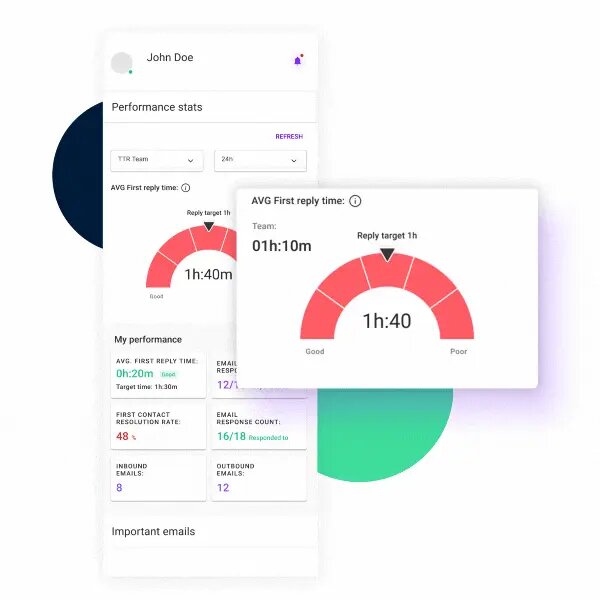
Image via timetoreply
The best way to track email response time in Outlook is to measure your average reply times. Average response time metrics show you how quickly your team responds to emails over a period of time.
You get a clearer picture of your team’s overall performance and spot patterns you might otherwise miss. This helps you improve email response time and increase customer satisfaction.
The timetoreply tool gives you two crucial average reply time metrics to track:
In both cases, the quicker the reply times, the better for customer service, sales success, and, ultimately, for your business. However, if you’re a more sales-focused business, timetoreply offers the option to prioritize the all-important initial emails. This helps you close deals quickly and improve sales success.
Also Read:
To track email response time in Outlook effectively, you should measure performance across different teams and individuals. Segmentation helps you understand who responds quickly, who needs support, and where communication delays happen.
Most businesses have multiple teams that operate on varying degrees of efficiency and speed. For example, your sales team may respond to leads within 15 minutes. On the other hand, your support team may take several hours because they handle more detailed questions.
Segmentation also helps you improve workload distribution. If one team struggles with long response times, you may need to balance responsibilities amongst team members more efficiently.
With timetoreply, you can dive deep, checking who’s the quickest and who could use a little turbo boost. The timetoreply software allows you to filter your average email response times by individual users or teams. You can even compare the speed at which teams respond to direct professional emails compared to web forms.
The timetoreply platform also tells you what percentage of emails fall within specific response times. This enables you to track email response time in Outlook and identify how many emails your team replies to within that sweet spot of five minutes.
Another way to track email response time in Outlook is by checking email volume trends. It helps you understand when your team receives the most messages. This way, you can manage staffing, workloads, and response times more effectively to increase productivity.
Tracking email traffic gives you deeper insights into your communication patterns. For example, you may notice that Mondays generate the highest number of customer emails while Friday gets the least.
An email management tool like timetoreply helps you visualize these trends through dashboards and reporting tools. You can see how many emails each team member handles, how response times change during busy periods, and where delays happen most often.
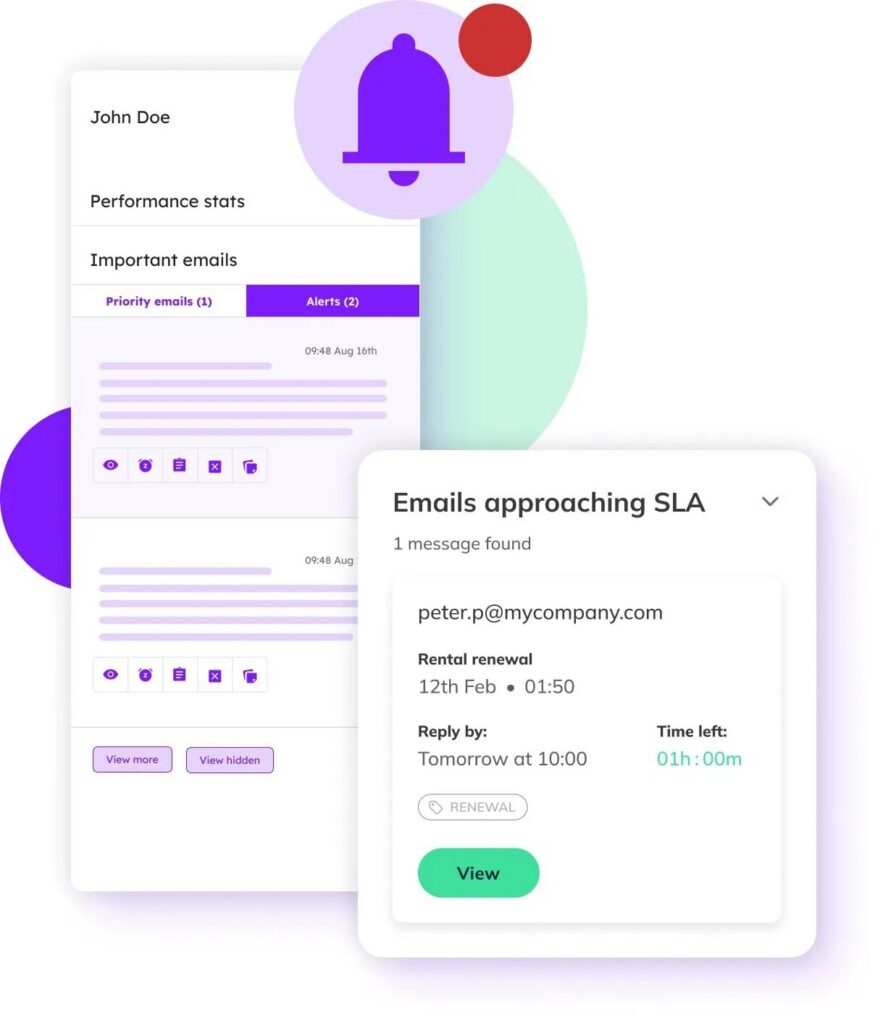
Image via timetoreply
If you want a practical way to track email response time in Outlook, real-time notifications make the process much easier. They notify you when emails go unanswered for long periods. This helps your team respond quickly before customers become frustrated and go to competitors.
These alerts also reduce manual inbox monitoring. Instead of constantly checking shared mailboxes, your team can focus on conversations while the system tracks overdue replies in the background.
The timetoreply platform allows you to create custom response time alerts based on your customer service (service level agreement) SLA. It’s a great way to prevent missed or delayed email replies.
Use response time tracking software to continuously measure performance progress. Accurate email analytics give you valuable insights into trends and productivity improvements.
Tracking progress also helps you measure the impact of changes. If you introduce new workflows or email templates, you can quickly see whether response times and customer satisfaction improve.
The timetoreply email reporting software lets you see your team’s performance through easy-to-understand graphs and dashboards. This way, you can tell where further improvement is needed.
When you consistently track email response time in Outlook, you gain better control over your communication process. Over time, a culture of faster responses improves customer trust, increases conversion rates, and strengthens relationships.
So, there you have it — knowing how to track email response time in Outlook isn’t just about numbers. It’s about boosting customer happiness and hitting those sales goals. With timetoreply, you unlock unrivaled Outlook email analytics to transform your team’s performance.
Also Read:
timetoreply Success for customer-facing teams
Tracking email response time in Outlook helps you improve communication, deliver a better customer experience, and win more sales deals. It also gives you real-time insights into team performance and customer service related metrics.
When you learn how to track email response time in Outlook, you get the following benefits:
Tracking email response time in Outlook gives you real-time visibility into how your sales and customer-facing teams perform. Instead of manually reviewing inboxes, you can use an email analytics platform like timetoreply to track email response times automatically.
Real-time insights help you identify:
Once you spot issues, you can adjust schedules or redistribute workloads to improve email communication.
When you track email response time in Outlook, you can ensure your team always meets customer expectations. This translates to happier, more satisfied customers who stick around and keep supporting your business.
On the flip side, when customers feel ignored, they’re more likely to go elsewhere — something no business wants. In fact, according to a Shep Hyken survey, 73% of customers switch brands due to a negative customer experience. Another 66% leave because of slow email responses.
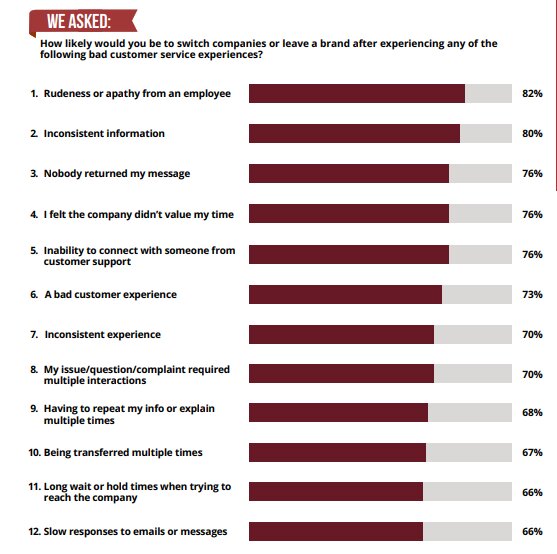
Image via Shep Hyken
Staying responsive can increase customer retention, which reflects in your revenue and boosts growth.
Fast email responses can help you close more deals and increase revenue. When you track email response time in Outlook, you see how quickly your sales team follows up with leads.
Prospects often contact multiple companies before making a purchase decision. If your team responds first, you increase your chances of winning more customers.
Email analytics platforms like timetoreply let you track lead response times on Outlook. You can see whether sales reps follow up quickly and identify areas for improvement to maximize conversions.
When you track email response time in Outlook, alerts notify you when customer emails sit unanswered for too long. This prevents you from accidentally missing important messages and sales opportunities.
This feature becomes especially useful during busy business hours when inboxes fill up quickly. Without alerts, your team may overlook urgent customer messages or forget to follow up.
With timetoreply, your sales and customer-facing teams can set up real-time alerts. The platform then sends instant notifications when email response times exceed your targets.
Ultimately, knowing how to track email response time in Outlook helps you enhance team communication, customer support, and sales performance.
Ready to take your business to the next level? Dive into the world of email performance tracking with timetoreply. Your success story starts here!

Also Read:
1. How to track email response time in Outlook?
You can track email response time in Outlook using a third-party email analytics tool. Outlook doesn’t include advanced built-in response time tracking for teams or shared inboxes.
A platform like timetoreply connects directly with Outlook and Microsoft 365. It helps you track your team’s average reply times and spot trends. Plus, with real-time alerts, no important emails slip through unnoticed.
2. What’s the best software solution for Outlook email tracking and measurement?
The timetoreply software ranks among the top email tracking and measurement tools for Outlook. The platform helps you track email response time in Outlook through detailed business email metrics, including:
It also helps teams close email threads directly from Outlook without switching to a separate ticketing system.
3. How to track responses to emails sent in Outlook?
You can track replies to emails sent in Outlook using the platform’s read receipts feature. You can activate it in the Outlook inbox when composing a message by clicking Options > Tracking > Request a Read Receipt before sending.
You’ll get a notification when the recipient opens your email. However, the recipient may not allow read receipts, or their email platform might not support it.
Outlook’s read receipt feature is basic and doesn’t fully track reply speed or team performance. You can use third-party tools like timetoreply if you want to know how to track email response time in Outlook. It provides real-time notifications, detailed analytics, and valuable insights to enhance customer service and email marketing.
4. How do I make Outlook respond faster?
Here’s what you can do to ensure Outlook sends email replies quickly:
5. Can I schedule a response in Outlook?
Yes, Outlook allows you to schedule emails in advance. When composing a message in Outlook, select the drop-down menu next to the Send button. Click Schedule send. Choose one of the default time settings or create a custom time and select Send. The message remains in draft mode until the scheduled time.
6. How do I monitor email response time changes in Outlook?
You can track email response time in Outlook using third-party email analytics solutions like timetoreply. This platform provides visual reports and performance graphs that help you track changes over time. You can compare team averages, monitor busy periods, and identify patterns that affect customer response times.
7. Does Outlook have built-in email analytics?
Outlook includes basic email analytics features, but it doesn’t offer advanced email response tracking insights for teams. You can view simple information like sent messages and read receipts, but detailed reporting requires additional software.
To learn how to track email response time in Outlook, you need a platform like timetoreply. It offers detailed reporting, real-time alerts, and team performance tracking.
8. Why should businesses track email response time in Outlook?
Businesses should track email response time in Outlook because it provides real-time insights into team performance. You can identify delays, improve accountability, and support better communication across departments. Improving response speed also increases customer satisfaction and boosts your sales performance.
Also Read:
The best way to track email response time in Outlook is by using a dedicated email analytics tool. While Outlook offers basic email insights features, it doesn’t provide the detailed reporting most businesses need.
A platform like timetoreply gives you real-time visibility into response times, team and individual performance, and broader email trends. Learning how to track email response time in Outlook helps you identify delays, make improvements, and deliver a better customer experience.
Ready to dive in? Try timetoreply FREE for 15 Days!
Book a demo or get access to your free trial.
Get live inbox alerts and reply quickly to customer emails with timetoreply

Head of Customer Success @ timetoreply
Barry Blassoples is the Head of Customer Success at timetoreply, where he helps customer-facing teams boost revenue and protect brand reputation by providing actionable insights to improve their business email response times. He has over 15 years of leadership experience across customer success, sales, and marketing roles in high-growth tech companies.



Trusted by high-performing inbound sales teams and customer-facing teams globally.
Close more deals and delight more customers with the faster, smarter, deeper email analytics and performance optimization software that works straight from your team’s inbox.